World Cup Semifinals Spark Surge in U.S. Host City Travel
Travel demand to U.S. World Cup host cities is spiking sharply as the tournament enters its high-stakes semifinal round.
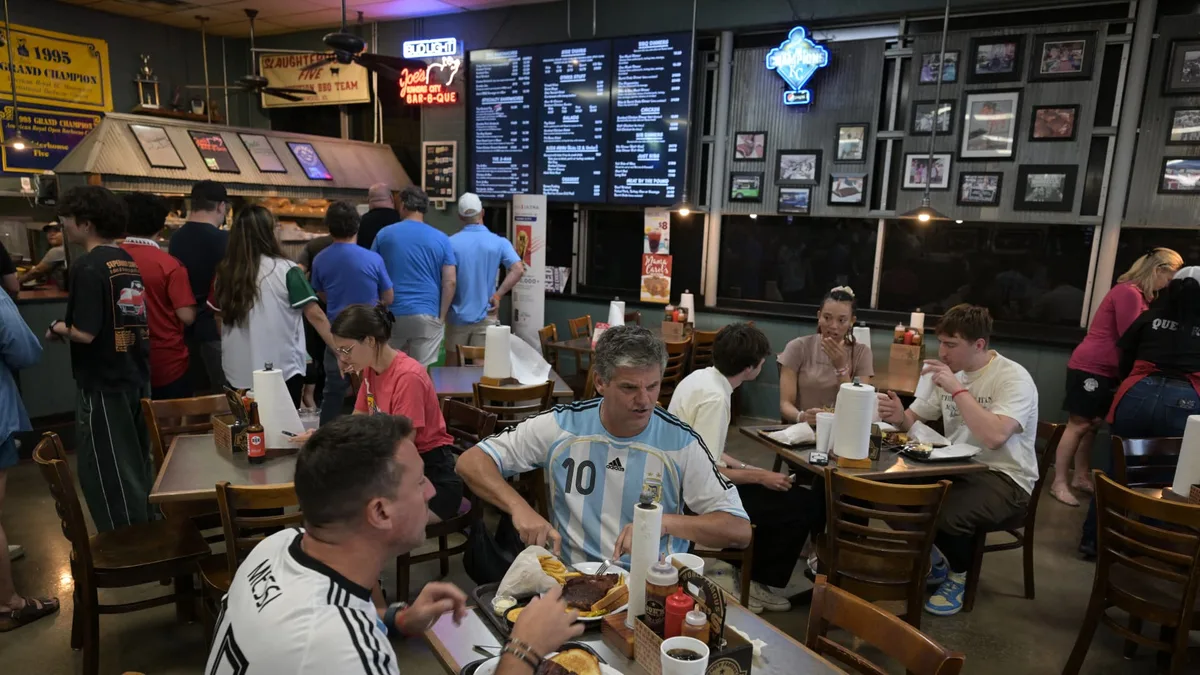
Travel demand to U.S. cities hosting FIFA World Cup matches is surging as the tournament advances into its semifinal stage, with big-spending fans arriving later in the competition than early-round attendees, according to CNBC reporting. The pattern reveals a distinct traveler profile emerging at the tournament's climax — one willing to pay premium prices for last-minute bookings and high-demand accommodations.
The semifinal round historically attracts a wealthier, more internationally mobile fan base compared to group-stage crowds. These late-arriving visitors tend to book flights and hotels closer to game day, driving up prices and occupancy rates in host cities at precisely the moment when inventory is tightest. The ripple effect benefits local hospitality, retail, and restaurant sectors that may have seen more modest gains during earlier rounds.
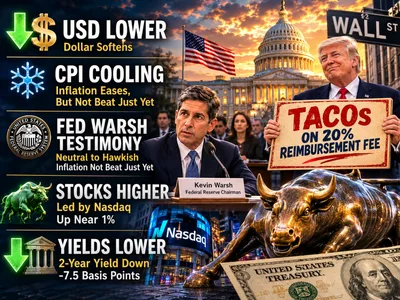
Read more June CPI Surprises to Downside, Dollar Drops Sharply →
Host cities across the United States are positioned to capture an outsized share of tournament spending during this final stretch, as the concentrated nature of the knockout stage funnels tens of thousands of fans into a smaller number of venues over a compressed timeline. Local economies stand to benefit significantly from the compressed but high-intensity influx.
The travel boom underscores how mega-sporting events generate uneven economic impacts across their duration, with the biggest financial rewards often concentrated in the final weeks. Urban tourism officials and hospitality operators have learned to prepare differently for knockout-round visitors than for the broader, more price-sensitive crowds that attend earlier matches.
Continue reading at CNBC.