Cyclosporiasis Outbreak: How to Protect Yourself From Tainted Greens
A cyclosporiasis outbreak has sickened roughly 6,700 people since May. Experts urge skipping raw lettuce and cooking other greens to reduce risk.
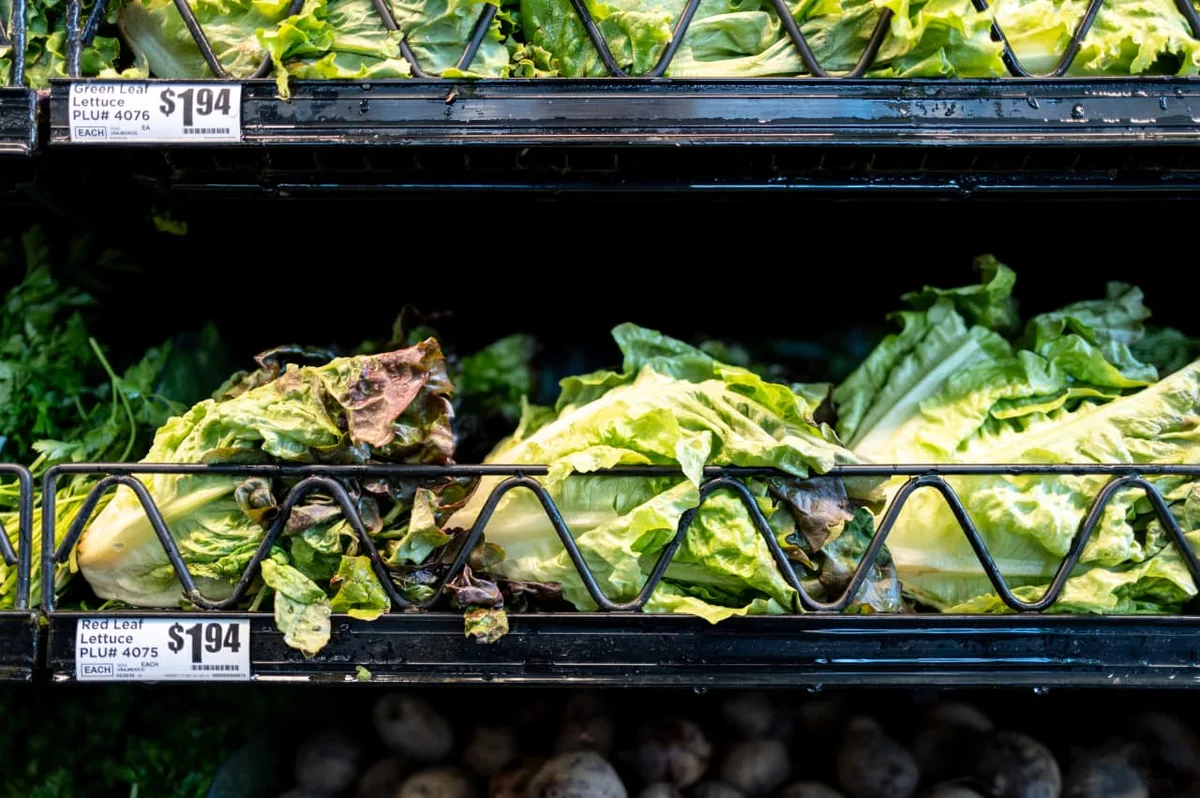
A parasitic illness linked to fresh produce has sickened approximately 6,700 Americans since May, raising urgent food-safety concerns as the cyclosporiasis outbreak continues to spread. The disease, caused by the Cyclospora cayetanensis parasite, is primarily associated with contaminated raw vegetables and can trigger prolonged, watery diarrhea that leaves patients debilitated for weeks if left untreated.
Health officials and food-safety experts are advising consumers to skip raw lettuce entirely until the source of the contamination is identified and contained. Cooking other leafy greens — rather than consuming them raw in salads or smoothies — is being cited as one of the most effective immediate steps households can take to lower their exposure risk, since heat kills the parasite.
Read more World Cup Semifinals Spark Surge in U.S. Host City Travel →
Cyclosporiasis is not transmitted person-to-person, which means the outbreak's scale points squarely at a contaminated supply chain somewhere in the fresh produce distribution network. That distinction matters for public-health responders, who are tracing the outbreak upstream through farms, packing facilities, and distribution channels to pinpoint exactly which products are responsible.
Consumers experiencing symptoms — including frequent, sometimes explosive diarrhea, loss of appetite, weight loss, bloating, and fatigue — are encouraged to contact a healthcare provider promptly. The illness is treatable with antibiotics, but diagnosis requires specific testing that doctors must order deliberately, since standard stool panels do not automatically screen for Cyclospora.
The outbreak's breadth underscores longstanding vulnerabilities in the U.S. fresh-produce supply chain, where a single contaminated farm or distribution hub can affect thousands of consumers across multiple states before an alert is issued. Continue reading at MarketWatch.com.