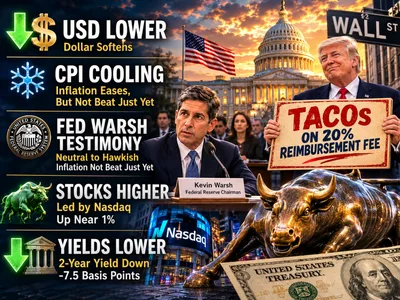
Warsh Vows Fed 'Regime Change' to End Inflation Burden on Americans
Fed chair hopeful Kevin Warsh pledged Tuesday to overhaul monetary policy and eliminate inflation he called a 'tax' on Americans.
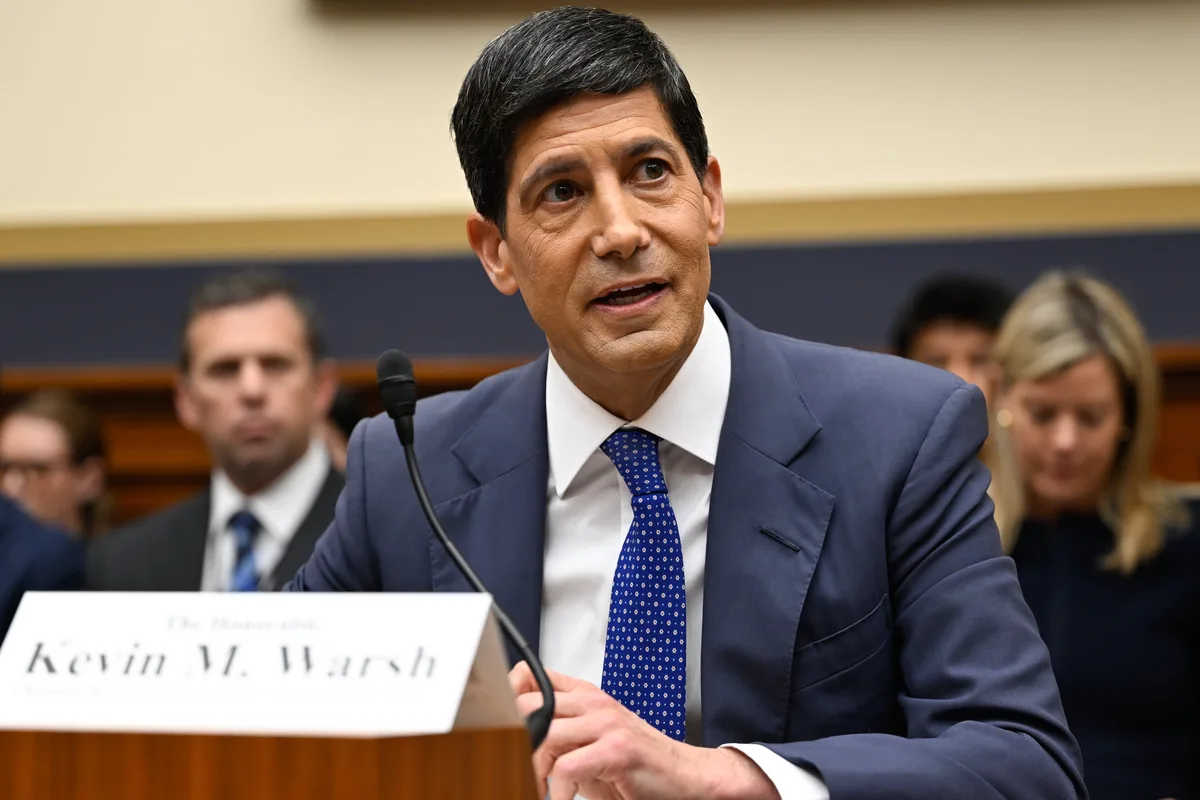
Kevin Warsh pledged Tuesday to deliver a sweeping "regime change" at the Federal Reserve, vowing to defeat the inflation that has strained American households for the past five years if confirmed as the central bank's next leader. The pledge represents one of the sharpest commitments yet from a prospective Fed chair to fundamentally restructure how the institution approaches monetary policy.
Warsh framed persistent inflation not merely as an economic challenge but as a de facto "tax" on ordinary Americans — a pointed characterization that signals he would prioritize price stability aggressively over other Fed mandates. His language underscores a broader critique that the central bank has been too slow or too timid in restoring the purchasing power that consumers lost during the post-pandemic inflation surge.
Read more World Cup Semifinals Spark Surge in U.S. Host City Travel →
The promise to "get monetary policy right" is a direct acknowledgment that the Fed's recent track record has fallen short of public expectations. Inflation soared to four-decade highs following pandemic-era stimulus and supply disruptions, and while price pressures have eased considerably, many Americans still feel the cumulative weight of elevated costs on groceries, housing, and everyday essentials.
A "regime change" at the Fed would likely signal a philosophical shift in how the institution communicates its targets, responds to economic data, and balances its dual mandate of maximum employment and stable prices. Warsh's framing suggests he sees the current framework as structurally flawed rather than merely poorly executed — a distinction with significant implications for markets, borrowers, and policymakers alike.
Continue reading at US Top News and Analysis.