Tax Pitfalls Every Social Media Influencer Must Avoid
A court ruling against an influencer's Grammy ticket deduction spotlights three critical tax traps content creators face — and how to sidestep them.
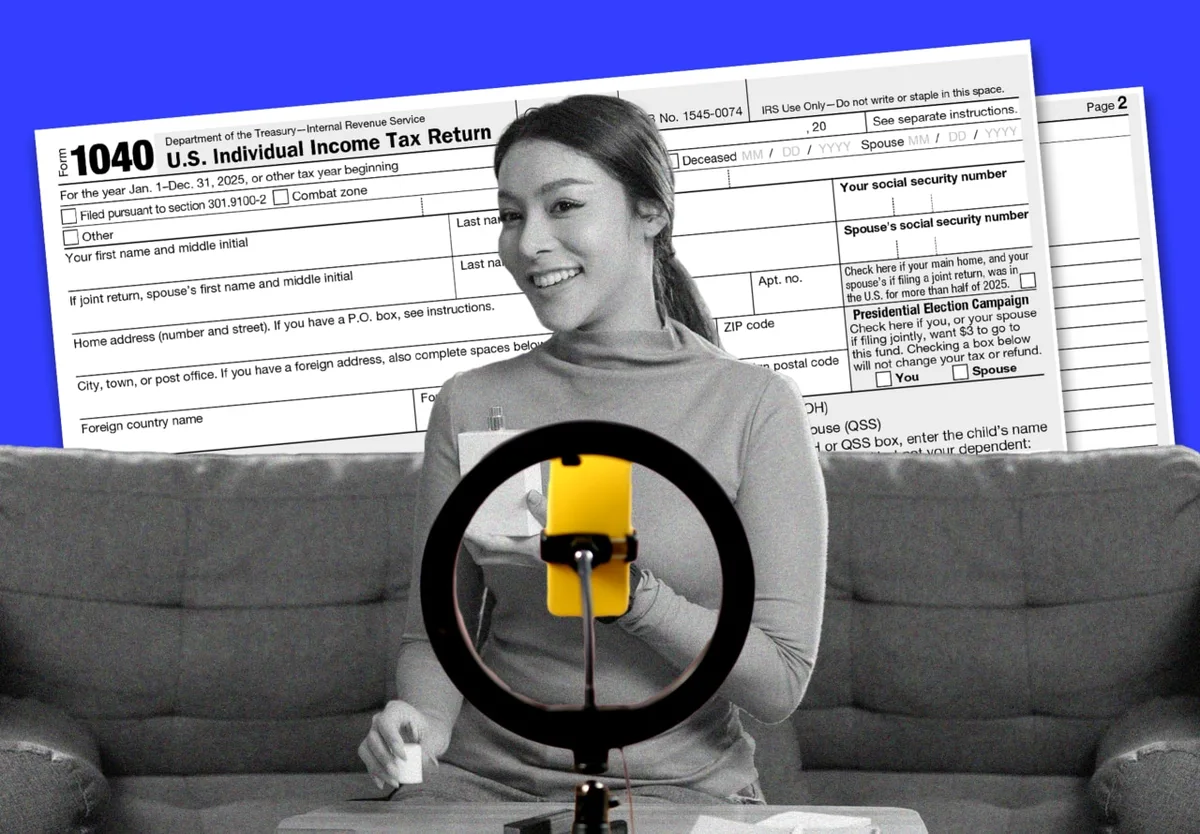
A federal judge has ruled that a social media influencer cannot write off Grammy Awards tickets as a business expense, shining a harsh spotlight on the murky tax landscape facing content creators who blur the line between personal entertainment and professional activity. The decision, highlighted by MarketWatch, serves as a cautionary tale for the rapidly growing class of TikTok stars, YouTubers, and Instagram personalities who increasingly treat lifestyle spending as deductible business costs.
Influencers operate in a uniquely gray zone of tax law. Because their personal brand, social life, and business activity are often indistinguishable, the temptation to classify personal expenses — concert tickets, luxury travel, wardrobe purchases — as write-offs is significant. But the IRS draws a firm line: expenses must be both ordinary and necessary to a trade or business to qualify for deduction, and courts have repeatedly sided with the agency when deductions appear primarily personal in nature.
Read more At 84 With $8M Saved, Are Roth Conversions Still Worth It? →
The Grammy ticket ruling underscores a broader set of pitfalls. First, entertainment expenses have faced heightened scrutiny since the Tax Cuts and Jobs Act of 2017 largely eliminated deductions for business entertainment. Second, influencers who fail to maintain meticulous records linking a specific expense directly to revenue-generating content creation risk losing those deductions entirely during an audit. Third, misclassifying hobby income as business income — or vice versa — can trigger significant penalties and back taxes.
For influencers and everyday taxpayers alike, the practical takeaway is documentation. Experts advise keeping contemporaneous records that detail the business purpose of every claimed expense, retaining receipts, and consulting a tax professional familiar with creator-economy clients before filing. Separating personal and business finances through dedicated accounts and credit cards also builds a defensible paper trail should the IRS come calling.
The influencer economy now represents billions of dollars in annual revenue, making it an increasingly attractive audit target for federal tax authorities. As platforms grow and creator income diversifies across brand deals, merchandise, and subscription services, understanding the boundaries of legitimate deductions has never been more consequential. Continue reading at MarketWatch.com