Manhattan Luxury Home Sales Stay Strong After Second-Home Tax
Fears of a 'Mamdani effect' on luxury real estate haven't materialized, brokers and analysts say one month after New York City's second-home tax passed.
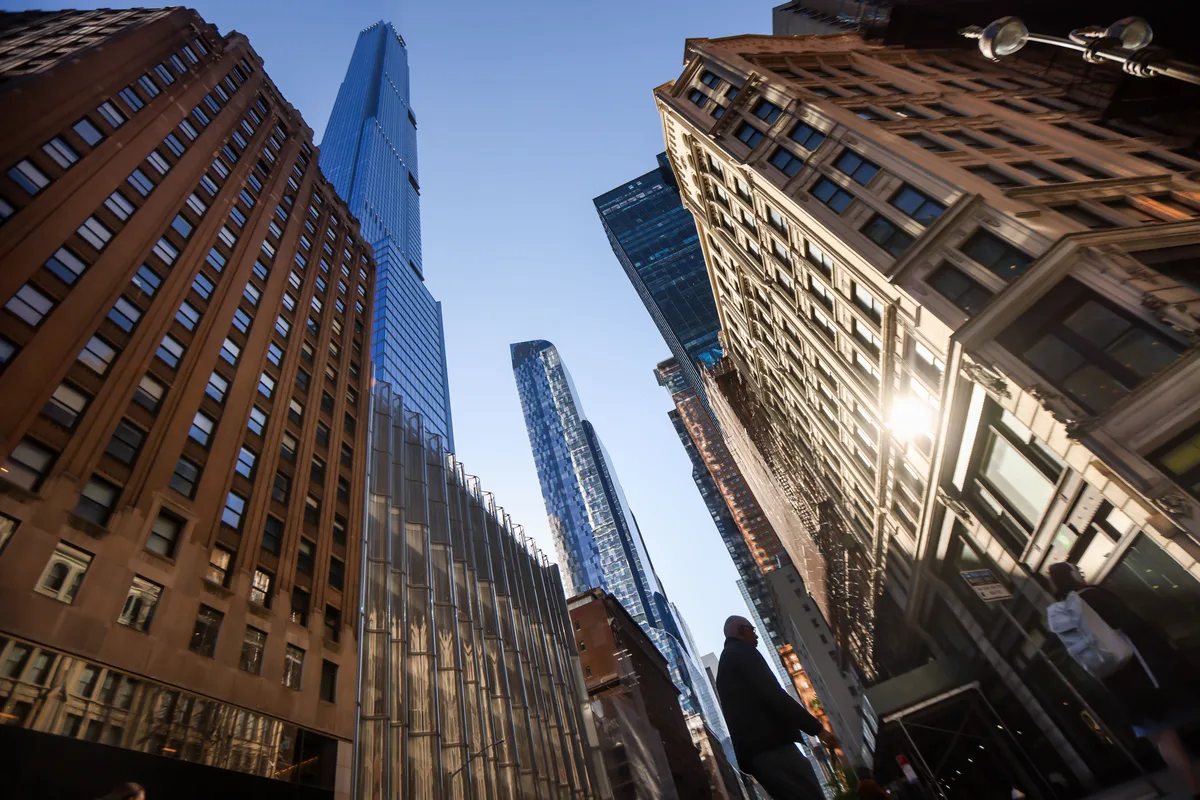
One month after New York City enacted a tax targeting second homes, Manhattan's luxury real estate market is showing no signs of retreat, according to brokers and analysts who track high-end sales in the borough. The so-called "Mamdani effect" — a feared slowdown named after the policy's political association — has largely failed to materialize in sales data.
Industry insiders say buyer demand at the top of the market has remained resilient, suggesting that wealthy purchasers are either absorbing the additional cost or finding ways to structure transactions that minimize their exposure to the new levy. Luxury real estate in Manhattan has historically demonstrated an ability to weather policy headwinds that might otherwise dampen activity in lower price tiers.
Read more Bitget Wallet, Robinhood Crypto Unite to Tokenize Top Stocks Onchain →
The persistence of strong sales one month into the new tax regime offers an early data point, though analysts caution it is still too soon to draw firm conclusions about the policy's long-term impact on buyer behavior. Market watchers will be closely monitoring whether the trend holds as the tax becomes a more established feature of the buying landscape and as more deals that were initiated before its passage close out of the pipeline.
The findings carry broader implications for cities and states considering similar measures targeting wealthy property owners and second-home buyers. If Manhattan's market continues to absorb the tax without measurable softening, it could embolden policymakers elsewhere to pursue comparable strategies — while simultaneously reassuring luxury sellers and developers who had braced for a sharper correction.
Continue reading at US Top News and Analysis.