Oman's Hormuz Fee Talks Rattle Oil Markets With Uncertainty
Oman is playing both sides as potential Strait of Hormuz transit fees spark legal, diplomatic, and oil market alarm.
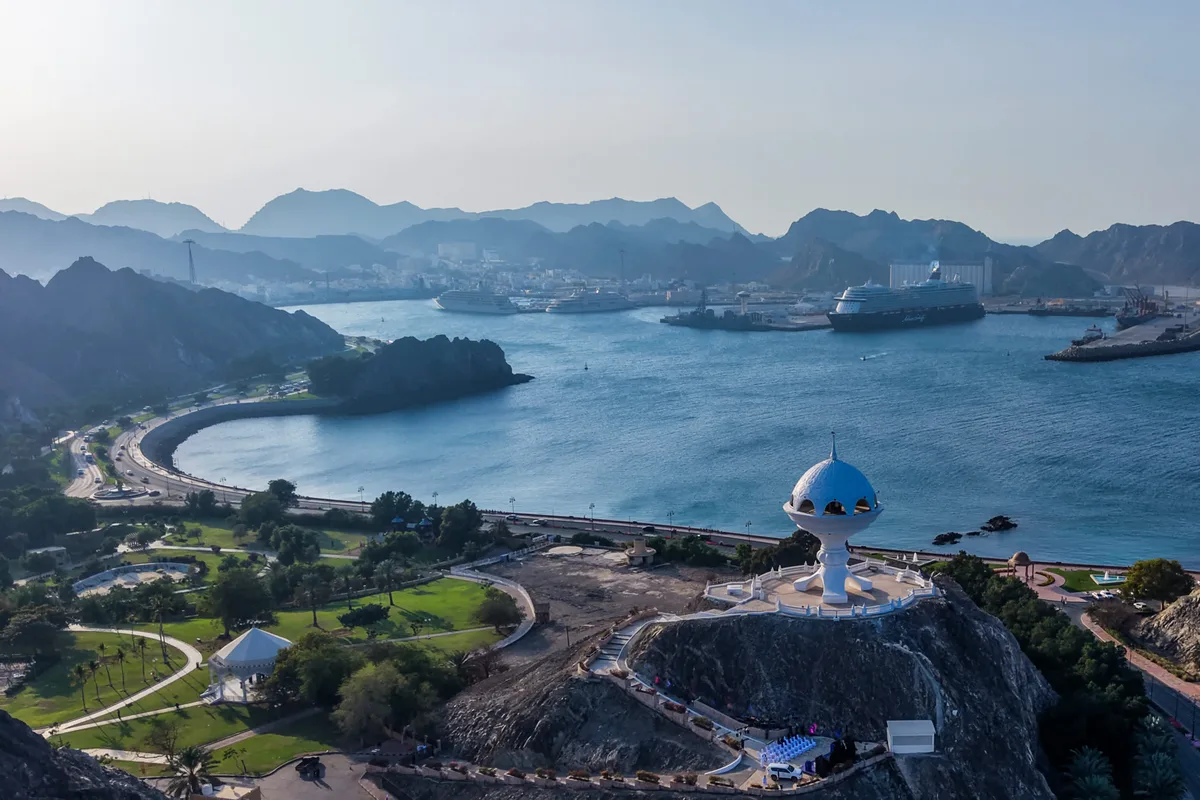
Oman is deliberately maintaining strategic ambiguity in high-stakes negotiations over possible transit fees on vessels passing through the Strait of Hormuz, a chokepoint responsible for roughly one-fifth of the world's oil flow, according to US Top News and Analysis. The sultanate's calculated silence is generating what analysts describe as a significant blind spot for energy markets already navigating geopolitical turbulence.
The diplomatic tightrope Oman walks is rooted in its long-standing role as a quiet intermediary in Middle Eastern affairs. Unlike its Gulf neighbors, Muscat has historically maintained open lines with both Western powers and Iran, the co-bordering nation whose territorial waters define the strait's northern edge. That neutrality now doubles as leverage — and as a source of market anxiety.
Read more Bitget Wallet, Robinhood Crypto Unite to Tokenize Top Stocks Onchain →
The prospect of formalized transit fees raises serious legal questions under international maritime law, which generally guarantees the right of innocent passage through internationally recognized straits. Any attempt to impose tolls could trigger disputes at the International Maritime Organization or broader geopolitical confrontations, adding a layer of uncertainty that commodity traders and shipping firms are ill-equipped to price in.
For global oil markets, the ambiguity itself is the risk. Even without a formal fee structure being announced, the mere possibility introduces a variable cost into tanker economics that could ultimately filter through to crude benchmarks. Analysts warn that markets have not yet fully accounted for this scenario, leaving portfolios exposed if negotiations accelerate or collapse without warning.
Oman's strategic positioning may ultimately serve its national interests by keeping all parties engaged, but the lack of transparency is creating a diplomatic and commercial fog that benefits no one dependent on stable energy flows. Continue reading at US Top News and Analysis.