Iran Sets Conditions to Reopen Strait of Hormuz After Ship Strike
Iran demands U.S. acceptance of its terms before reopening the critical Strait of Hormuz, as UAE reports one of its vessels was struck in an airstrike.
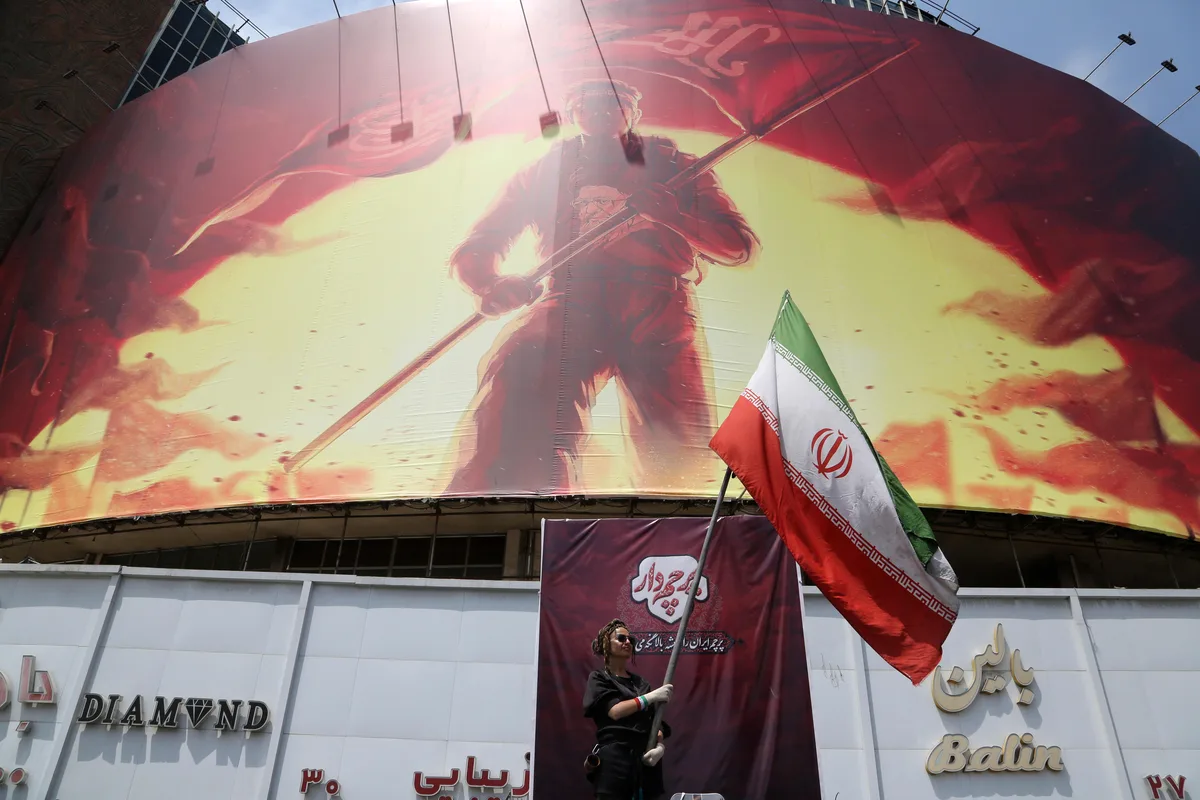
Iran's military declared Wednesday it will only reopen the Strait of Hormuz — one of the world's most strategically vital shipping corridors — if the United States agrees to Tehran's conditions, raising immediate alarm over global oil supply chains and maritime security. The announcement came as the United Arab Emirates reported that one of its ships had been targeted in an airstrike, dramatically escalating tensions in the region.
The Strait of Hormuz carries roughly one-fifth of global oil trade, making any prolonged closure a potential shock to energy markets worldwide. Iran's military framing of the reopening as conditional on U.S. concessions signals that Tehran views control over the waterway as direct leverage in its broader standoff with Washington, a posture that analysts say could trigger swift economic and diplomatic responses from Western governments.
Read more NYC Council Probes Prediction Market Firms Over Marketing Tactics →
The UAE's disclosure that one of its vessels came under airstrike further inflames an already volatile situation. While the source of the strike was not explicitly confirmed in initial reports, the incident underscores the real and growing risk to commercial and state-owned shipping operating in and around the Persian Gulf as diplomatic tensions remain unresolved.
For global energy markets, the stakes could hardly be higher. A shutdown or even partial disruption of Hormuz traffic would ripple through oil prices immediately, affecting consumers and industries far beyond the Middle East. The situation places mounting pressure on U.S. policymakers to respond — either through direct diplomacy with Tehran or coordinated action with Gulf allies — without inflaming the conflict further.
Continue reading at US Top News and Analysis