Trump Accounts and 529 Changes: Will They Cut College Costs?
New savings proposals and student-loan borrowing caps could reshape how American families pay for higher education.
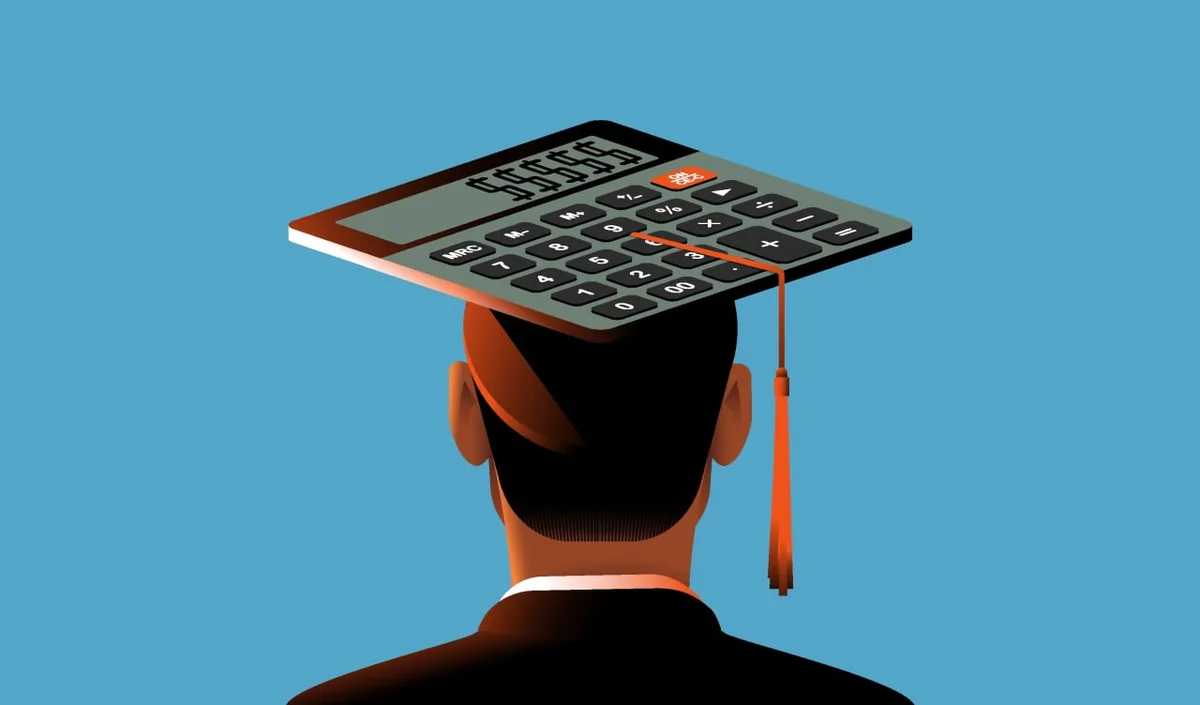
A pair of emerging policy proposals — so-called Trump accounts and expanded grandparent 529 savings plans — are drawing fresh scrutiny over whether they can meaningfully reduce the soaring price of a college degree in the United States. The debate is sharpening as lawmakers and analysts weigh structural changes to how families save and borrow for higher education.
Proponents argue that broadening tax-advantaged savings vehicles, including allowing grandparents to contribute more easily to 529 plans without affecting a student's financial aid eligibility, could increase the pool of private capital dedicated to education costs. Trump accounts, a new savings concept floated in policy circles, represent another potential channel for long-term educational investment starting at birth.
Read more NYC Council Probes Prediction Market Firms Over Marketing Tactics →
Yet skeptics caution that supply-side savings incentives alone rarely translate into lower tuition. Historically, when more money flows toward college costs — whether through federal loans, grants, or tax-preferred accounts — institutions have often responded by raising prices rather than lowering them, a phenomenon economists call the Bennett Hypothesis.
Caps on federal student borrowing represent a more direct lever. Limiting how much students can take on in government-backed loans could force colleges to compete harder on price or risk losing enrollment, though critics warn such caps could also push lower-income students toward costlier private loan markets or out of higher education entirely.
The convergence of savings reform and borrowing limits signals that Washington may be approaching a broader reckoning with college affordability — one that touches families, institutions, and lenders alike. How these proposals interact will determine whether they bend the cost curve or simply shift who bears it. Continue reading at MarketWatch.com