Eli Lilly Buys Psychedelic Drug Maker AtaiBeckley in Bold Mental Health Bet
Eli Lilly's acquisition of AtaiBeckley signals growing Big Pharma confidence in psychedelic-based mental health treatments.

Eli Lilly, one of the world's largest pharmaceutical companies, has agreed to acquire AtaiBeckley, a developer of psychedelic-based therapies for mental health conditions, in a move that marks a significant milestone for a drug class long dismissed by mainstream medicine. The deal represents the clearest sign yet that major pharmaceutical players are willing to stake serious capital on compounds once synonymous with counterculture rather than clinical care.
Psychedelic drugs have spent decades on the fringes of medicine, but a wave of clinical research in recent years has generated credible evidence that substances such as psilocybin and MDMA-derived compounds can deliver meaningful relief to patients suffering from depression, PTSD, and other difficult-to-treat mental health disorders. That scientific momentum has gradually eroded the stigma surrounding the category and opened the door for institutional investment.
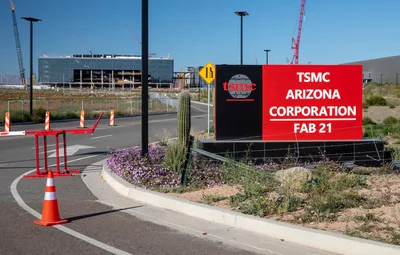
Read more TSMC Speeds Up Arizona Chip Factory Build to Ride AI Wave →
Lilly's move follows a broader pattern of Big Pharma quietly positioning itself in the psychedelics space, recognizing that conventional antidepressants and anxiolytics leave a large portion of patients without adequate relief. By absorbing a dedicated psychedelic drug developer like AtaiBeckley, Lilly gains both pipeline assets and specialized expertise at a moment when regulatory attitudes are also showing signs of evolution.
For investors and industry observers, the acquisition functions as a powerful buy signal for the emerging psychedelic therapeutics market, lending it a credibility that smaller biotech deals could not confer. Whether this translates into approved treatments on pharmacy shelves will depend on clinical outcomes and regulatory decisions still ahead, but Lilly's willingness to write a check puts the sector firmly on the mainstream pharmaceutical map.
Continue reading at US Top News and Analysis