Auto Industry's Over-the-Air Tech Draws Cybersecurity Concerns
Analysts warn that growing OTA technology adoption in vehicles is opening new doors for cyberattacks targeting the auto industry.
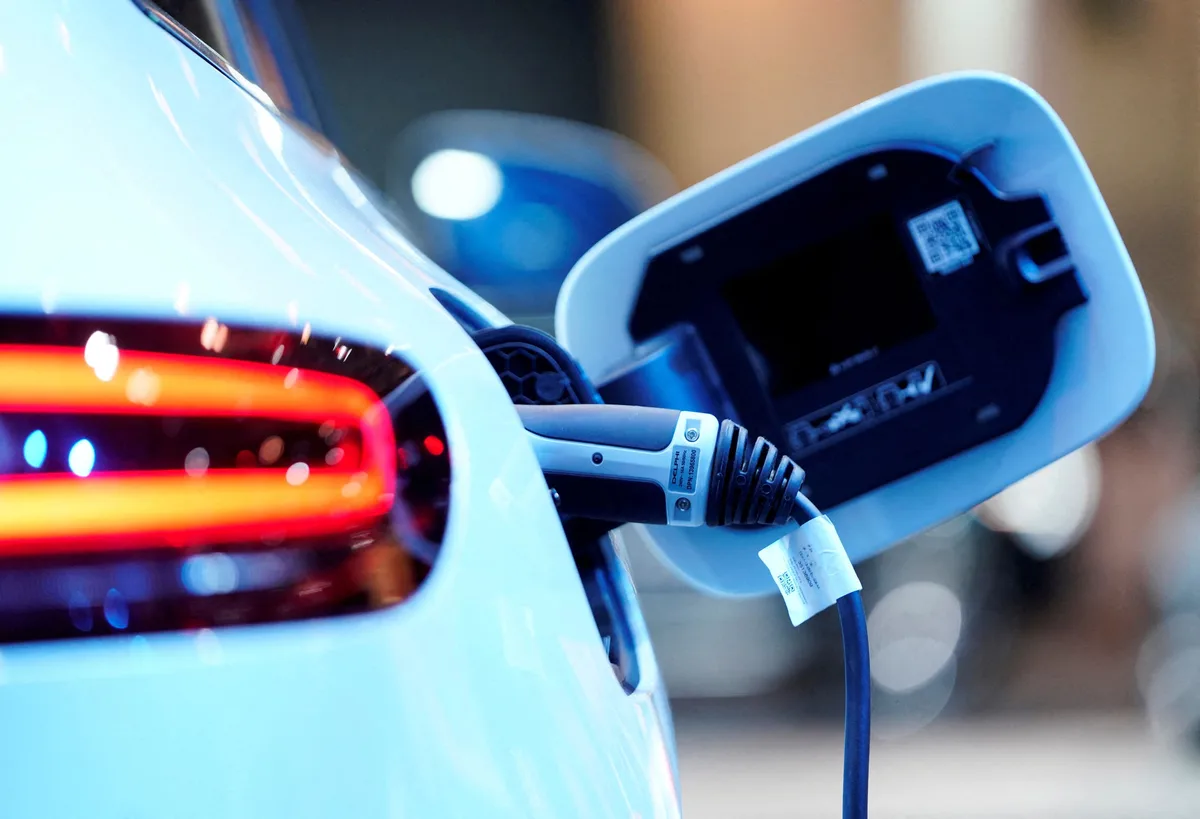
The automotive industry's rapid embrace of over-the-air technology is raising urgent cybersecurity alarms, with analysts warning that the sector's expanding digital connectivity is creating fresh attack surfaces for malicious actors. As automakers push software updates, diagnostics, and feature upgrades directly to vehicles without requiring a dealership visit, the same wireless pipelines that deliver convenience can potentially be exploited by hackers.
Over-the-air, or OTA, systems allow manufacturers to remotely modify vehicle software — a capability that has become standard in electric and connected vehicles. While the technology reduces recall costs and improves user experience, security experts argue that each remote access point represents a potential vulnerability if not rigorously protected against intrusion.
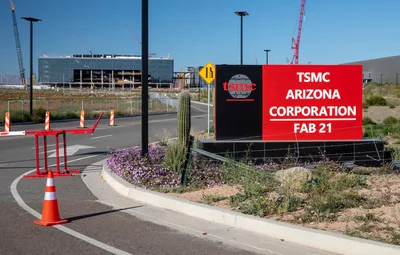
Read more TSMC Speeds Up Arizona Chip Factory Build to Ride AI Wave →
The concern is not merely theoretical. As vehicles become increasingly software-defined, a single compromised update or unsecured communication channel could, in the worst case, affect thousands of cars simultaneously. Analysts stress that the scale and speed of OTA deployments may be outpacing the cybersecurity frameworks designed to govern them.
For consumers, the risks extend beyond privacy to physical safety, given that OTA systems can interact with core vehicle functions including braking, steering, and acceleration systems. Industry observers say automakers and regulators alike will need to prioritize robust encryption, authentication protocols, and continuous monitoring to keep pace with evolving threats.
Continue reading at US Top News and Analysis.