Coldcard Exploit Triggers $89M Bitcoin Exchange Inflows
An $89 million Coldcard security exploit is prompting bitcoin holders to move funds back to exchanges, reversing post-FTX self-custody trends.
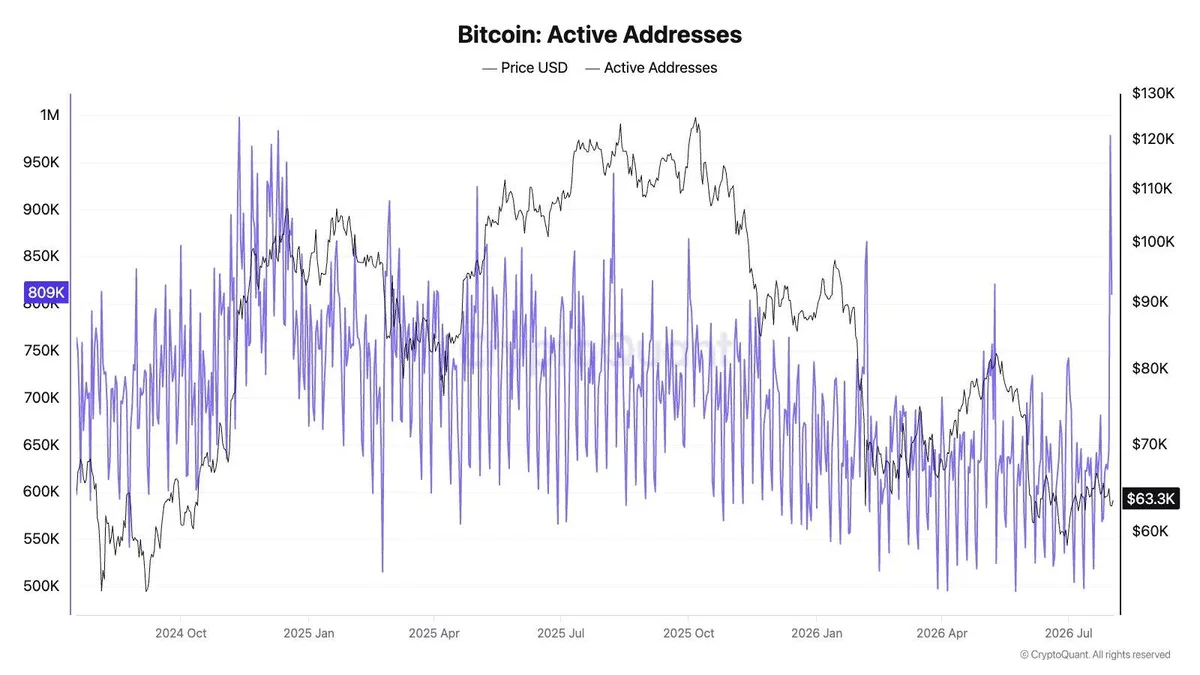
An $89 million exploit tied to Coldcard hardware wallets is driving a wave of bitcoin back onto centralized exchanges, marking a sharp behavioral reversal from the self-custody movement that surged following the 2022 collapse of FTX, according to CoinDesk reporting. The incident has rattled confidence in a device long considered among the most trusted options for storing cryptocurrency offline.
The contrast with the FTX fallout is striking. When Sam Bankman-Fried's exchange imploded, bitcoin holders rushed to pull funds off centralized platforms and into personal wallets — with Coldcard among the primary beneficiaries of that trust shift. Now, the exploit appears to be unwinding a portion of that migration, with on-chain data showing meaningful inflows to exchanges as users seek the perceived safety of institutional custody.
Read more Apple Stock Selloff Seen as Buying Opportunity With $350 Target →
The episode raises difficult questions for the self-custody community, which has long operated under the mantra "not your keys, not your coins." A breach at the hardware level challenges the foundational assumption that cold storage is categorically safer than keeping assets on a reputable exchange — a debate the industry had largely considered settled in favor of self-custody since FTX.
Analysts will be watching whether the exchange inflows represent a temporary panic response or a more sustained recalibration of how retail and institutional bitcoin holders think about custody risk. The Coldcard incident could accelerate institutional interest in multi-signature and third-party custody solutions as a middle ground between pure self-custody and full exchange reliance.
Continue reading at CoinDesk.