Iran War Oil Volatility Created Winners, but Long Bets Face Headwinds
The U.S.-Iran conflict sent oil prices swinging and rewarded short-term traders. Analysts warn that holding the trade long-term is a different challenge.
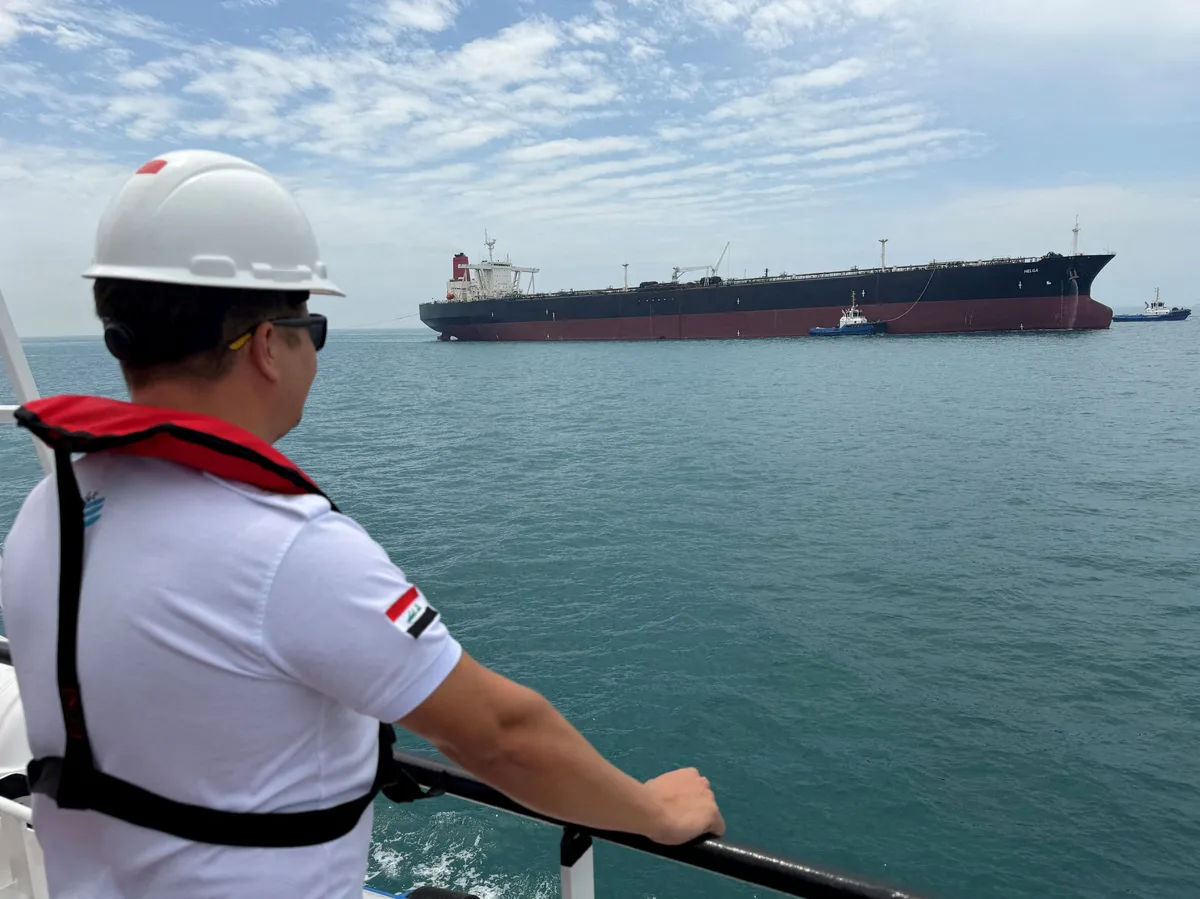
Oil markets surged on geopolitical risk as U.S.-Iran tensions escalated into open conflict, handing short-term energy traders some of the sharpest gains seen in recent memory. The volatility spike rewarded investors who positioned early for a war premium in crude prices, a classic risk-on move in energy markets whenever Middle East flashpoints ignite.
However, according to analysts at US Top News and Analysis, the easy money from that initial shock may already be off the table. Buy-and-hold investors who try to ride the Iran war trade into the longer term face a more complex calculus — one where supply responses, diplomatic developments, and global demand signals can rapidly erode a geopolitical premium that was never built to last.
Read more Apple Stock Selloff Seen as Buying Opportunity With $350 Target →
Energy market veterans have long cautioned that war-driven oil spikes tend to be self-correcting. When prices climb sharply, producers ramp output, demand destruction sets in, and strategic reserves get tapped — a feedback loop that typically compresses the premium within weeks or months, leaving late arrivals holding an overpriced position.
For patient investors, the smarter play may lie elsewhere in the energy complex. Analysts point to longer-duration structural themes — including the energy transition, liquefied natural gas infrastructure buildout, and domestic production capacity — as more durable opportunities than chasing crude prices tied to an unpredictable geopolitical standoff.
The bottom line: traders who scored on the initial Iran war volatility deserve credit for timing, but the window for that specific trade is narrowing fast. Continue reading at US Top News and Analysis.