Bond Market Volatility Signals a New Era Under Future Fed Chair Warsh
Unusual bond market swings are grabbing attention, with incoming Fed Chair Kevin Warsh seen as favoring bond-led rate guidance.
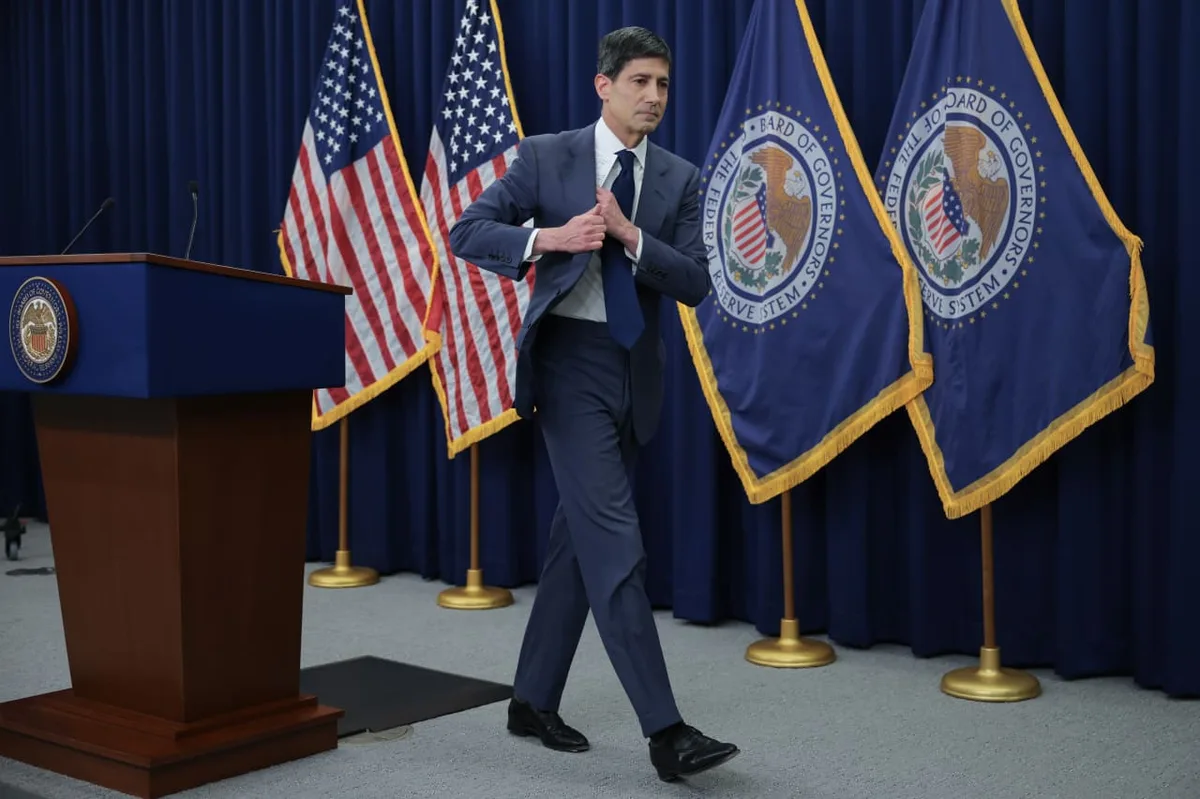
Bond markets are flashing unusual volatility signals, and analysts warn the turbulence is not a passing storm but a permanent new condition in fixed-income trading. The sudden swings have drawn fresh scrutiny to how monetary policy could be shaped under Kevin Warsh, widely expected to become the next Federal Reserve Chair, who appears to welcome bond markets playing a leading role in guiding the broader rate environment.
Warsh's perceived philosophy marks a notable potential shift in Fed doctrine. Rather than relying primarily on central bank rate hikes to cool or stimulate the economy, his approach suggests bond market signals — reflected in Treasury yields and spreads — could serve as a real-time barometer that reduces the Fed's need to act aggressively with its own rate lever. In effect, the market does some of the heavy lifting so the Fed Chair doesn't have to.
Read more Dow Rises as Bessent Acts on Iran; AI Stocks Eye Buy Points →
That dynamic carries significant implications for investors, borrowers, and policymakers alike. If bond yields rise sharply on their own in response to inflation fears or fiscal concerns, the Fed gains cover to hold rates steady — a scenario that could reshape how portfolio managers hedge risk and how the U.S. government finances its growing debt load.
The unusual behavior in bonds is therefore not simply a technical anomaly. It reflects deeper uncertainty about the transition in Fed leadership, the trajectory of U.S. fiscal policy, and whether a bond-market-first framework can deliver the kind of economic stability that more interventionist Fed postures historically attempted to provide. Analysts cited in the reporting suggest this elevated volatility regime is structural, not cyclical.
For everyday investors, the message is clear: the relative calm that characterized bond markets during extended periods of Fed predictability may be over. Continue reading at MarketWatch.com.