Banks and Crypto Firms Clash Over Stablecoin Yield Rules
A deepening dispute between banks and crypto firms over whether stablecoins should pay yield is reshaping U.S. financial policy debates.
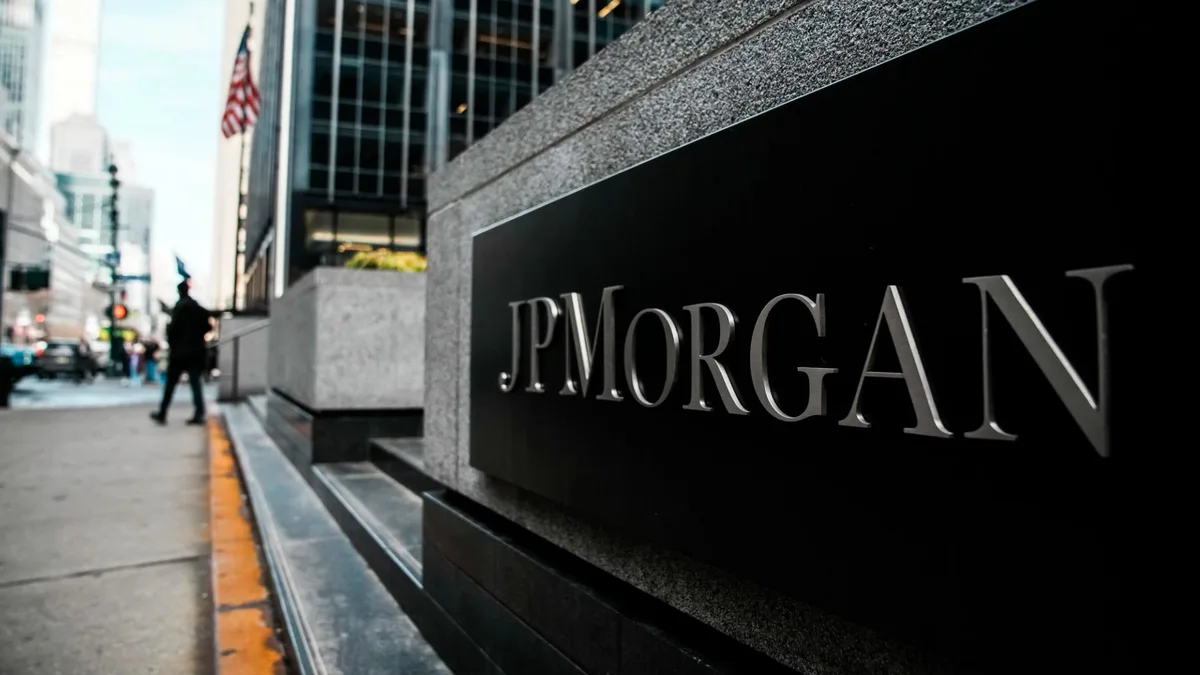
A long-simmering fight between traditional banks and cryptocurrency companies over stablecoin yield has resurfaced as a defining fault line in U.S. financial regulation, with both sides pressing lawmakers and regulators to adopt rules that favor their business models. At the heart of the dispute is a deceptively simple question: should stablecoins — digital tokens pegged to assets like the U.S. dollar — be allowed to pay interest or yield to holders the way a savings account might?
Banks argue that permitting stablecoins to offer yield would give crypto firms an unfair competitive advantage, effectively letting them operate like deposit-taking institutions without facing the same capital requirements, consumer protections, and oversight that govern chartered banks. From the traditional finance perspective, a yield-bearing stablecoin starts to look a lot like an unregulated bank account, and that comparison carries serious systemic implications.
Read more NYC Council Probes Prediction Market Firms Over Marketing Tactics →
Crypto proponents push back hard, contending that blocking yield on stablecoins is a protectionist maneuver designed to preserve bank profit margins rather than protect consumers. They argue that yield-bearing stablecoins could democratize access to returns currently available only to those with traditional banking relationships, potentially benefiting millions of unbanked or underbanked Americans.
The standoff arrives at a pivotal moment. Congress is actively working on stablecoin legislation, and the outcome of this yield debate could determine how competitive — or constrained — U.S.-based crypto firms are relative to offshore rivals operating under more permissive regimes. Regulatory ambiguity in the interim leaves issuers, investors, and banks all uncertain about the rules of engagement in what is rapidly becoming one of the most consequential corners of digital finance.
Continue reading at CoinDesk.