Yen Slides Past 161 Per Dollar, Nearing Multi-Decade Low
The Japanese yen fell sharply to 161.80 against the dollar Thursday, its weakest level since July 2024, stoking fresh intervention fears.
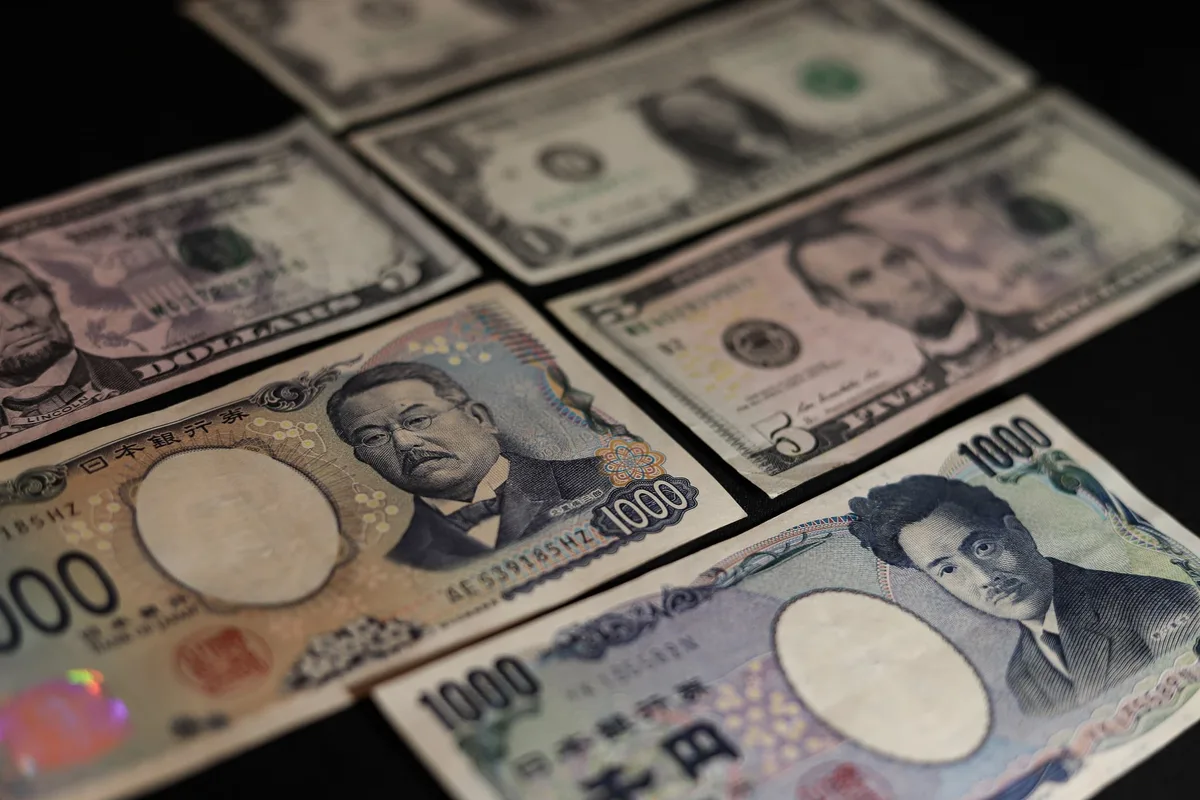
The Japanese yen plunged to 161.80 per dollar on Thursday, marking its weakest exchange rate since July 2024 and pushing the currency dangerously close to 40-year lows that previously triggered emergency action by Japanese authorities. The sharp single-session depreciation rattled currency markets and immediately revived speculation that Tokyo could step in to defend the yen.
The move past the 161 threshold is significant because it mirrors conditions that prompted Japanese officials to intervene in currency markets in mid-2024, spending hundreds of billions of yen to prop up the currency. Traders and analysts are now closely watching for any verbal warnings or direct market operations from the Bank of Japan or the Ministry of Finance, which have historically signaled displeasure before acting.
Read more Digital Credit Market Suffers Major Selloff Amid Leverage Fears →
A weaker yen carries a dual edge for Japan's economy. While it benefits major exporters by making their goods more competitive abroad, it simultaneously squeezes consumers and businesses through higher import costs — particularly for energy and food, both heavily dollar-denominated. With inflation already a persistent concern in Japan, a continued slide in the currency adds pressure on policymakers to respond.
Market participants are weighing whether the yen's decline reflects broader dollar strength, driven by resilient US economic data and elevated American interest rates, or a deeper structural vulnerability in Japan's currency. The divergence between the Federal Reserve's higher-for-longer rate posture and the Bank of Japan's comparatively accommodative stance remains the central driver of yen weakness, and that gap shows little sign of closing quickly.
Continue reading at US Top News and Analysis.