Why Stock Markets Tend to Rally During Congressional Recess
Stocks historically perform better when Congress is on break, as legislative inactivity reduces regulatory uncertainty for investors.
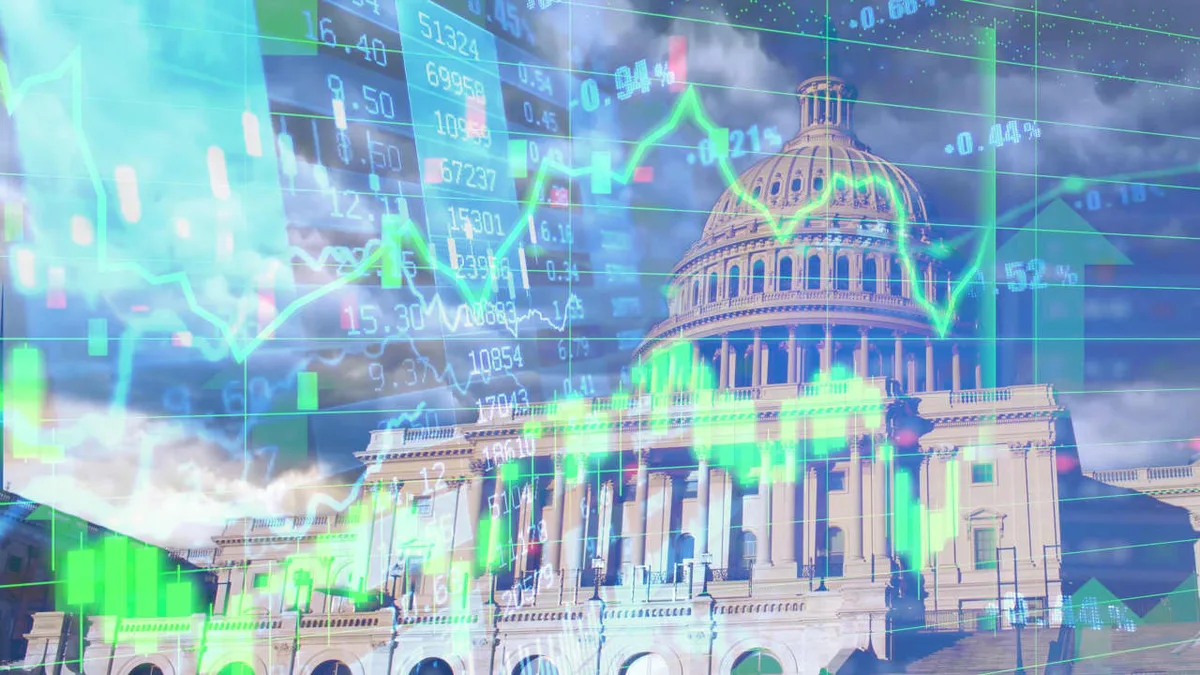
Wall Street quietly breathes easier each summer when Congress packs up and heads home, and market data backs up that intuition: stocks tend to rally during congressional recesses while facing heightened volatility whenever lawmakers are in session, according to a MarketWatch analysis.
The driving force behind this pattern is regulatory uncertainty. When legislators are actively debating bills, holding hearings, or advancing new policy, businesses and investors face an unpredictable operating environment. That ambiguity forces market participants to hedge, wait, or price in risk that may never materialize — all of which weighs on equity valuations.
Read more Dell Stock Jumps on Trump Endorsement but Rally Quickly Fades →
Conversely, when Capitol Hill goes quiet, that layer of policy risk evaporates temporarily. Companies can plan with greater confidence, and investors re-engage with fundamentals rather than legislative scorecards. The result is a more favorable backdrop for equities, even if underlying economic conditions haven't changed.
The dynamic underscores a broader truth about markets: uncertainty itself is a cost. Regardless of whether proposed regulations ultimately pass or fail, the mere possibility of sweeping legislative change is enough to suppress risk appetite and elevate volatility. Lawmakers being out of session functionally removes that variable from the equation.
This seasonal pattern serves as a reminder that political calendars — not just economic data or earnings cycles — shape market behavior in measurable ways that investors increasingly track. Continue reading at MarketWatch.com