US NATO Ambassador Calls Alliance Tensions 'Growing Pains'
Ambassador Matthew Whitaker downplays friction within NATO, framing ally defense spending pressure from Trump as normal alliance evolution.
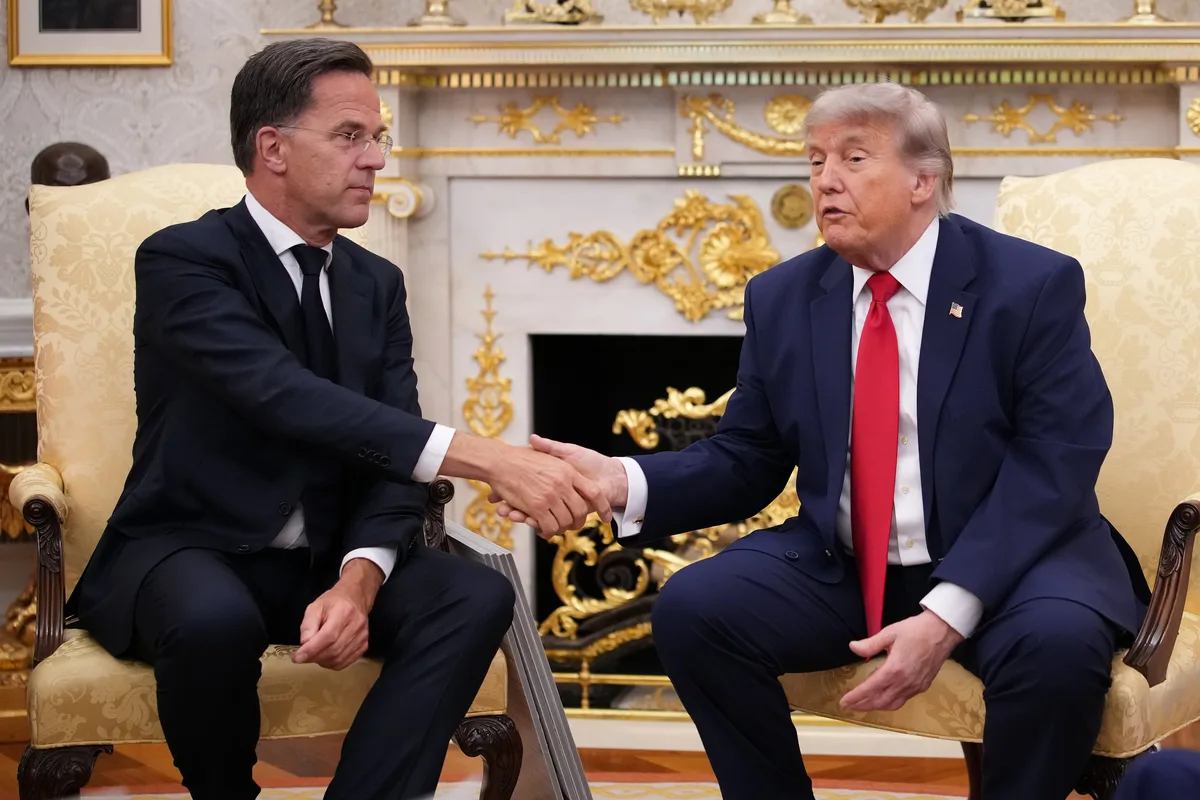
U.S. Ambassador to NATO Matthew Whitaker pushed back Monday against characterizations of deepening discord within the alliance, arguing that friction over defense spending represents "growing pains" rather than any fundamental rupture — even as President Donald Trump continues to press member nations to contribute more to their own security.
Whitaker's framing comes at a pivotal moment for the 75-year-old alliance, which has faced sustained pressure from the Trump administration to compel European and other allied governments to dramatically raise their military budgets. The ambassador's comments suggest the White House views the turbulence as a productive, if uncomfortable, catalyst for reform rather than a sign of systemic dysfunction.
Read more Iran Mourners Fill Streets as Discontent Simmers Under Surface →
The distinction matters. Calling internal disagreement "growing pains" implies that the alliance is maturing and adapting, not fracturing — a diplomatic signal intended to reassure both domestic audiences skeptical of NATO's value and allied capitals worried about Washington's long-term commitment to collective defense.
For NATO allies, the pressure to spend more has translated into real policy shifts across Europe and beyond, with several member governments accelerating defense budget timelines or announcing new military investment packages. Whether those moves fully satisfy Washington remains an open question, and the political dynamics inside individual member states add further complexity to any unified response.
The ambassador's measured tone stands in contrast to some of the sharper rhetoric that has characterized the Trump administration's dealings with NATO partners, hinting that behind closed diplomatic doors, U.S. officials may be threading a needle between applying maximum pressure and preserving the alliance's operational cohesion. Continue reading at US Top News and Analysis.