U.S. Auto Industry Braces as USMCA Extension Remains Uncertain
Automakers face growing uncertainty over the future of the USMCA trade deal, with rules of origin at the center of the debate.
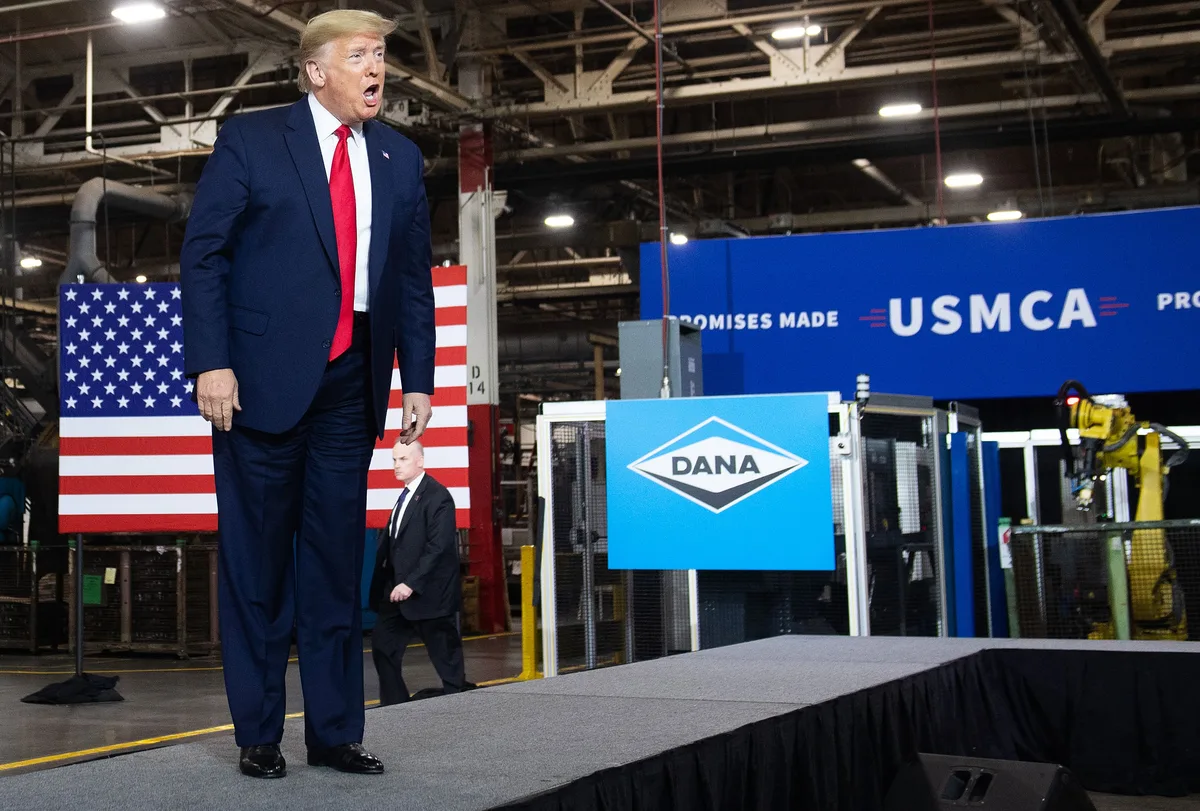
The U.S. auto industry is confronting heightened uncertainty as the fate of the United States-Mexico-Canada Agreement hangs in the balance, with no extension of the landmark trade deal yet confirmed. Manufacturers across North America are watching closely, aware that the absence of a renewed framework could disrupt decades of deeply integrated supply chains that crisscross borders daily.
At the heart of the concern are the deal's rules of origin — the provisions that govern where a product is deemed to have been made and which goods qualify for preferential tariff treatment. For automakers, these rules are not bureaucratic fine print; they directly determine the cost of building a vehicle and whether finished cars or their components can move across borders without facing additional duties.
Read more PlayStation to Stop Making Physical Game Discs by 2028 →
Without clarity on an extension, manufacturers face difficult decisions about where to source parts, where to invest in new production capacity, and how to price vehicles for American consumers. The uncertainty itself can be damaging, chilling capital investment and forcing executives to hedge against multiple regulatory outcomes simultaneously — a costly and inefficient position for any capital-intensive industry.
The USMCA, which replaced the original NAFTA agreement in 2020, was designed in part to encourage more North American content in vehicles and to modernize trade rules for the modern manufacturing era. A failure to extend or renegotiate the deal would leave an industry already navigating electric vehicle transitions and fluctuating demand without a stable trade foundation to build on.
Continue reading at US Top News and Analysis.