TSMC Upgraded to Buy as AI Demand and EUV Edge Shine
TSMC earns a buy rating upgrade driven by surging AI chip demand, disciplined capital spending, and its advanced EUV manufacturing advantage.
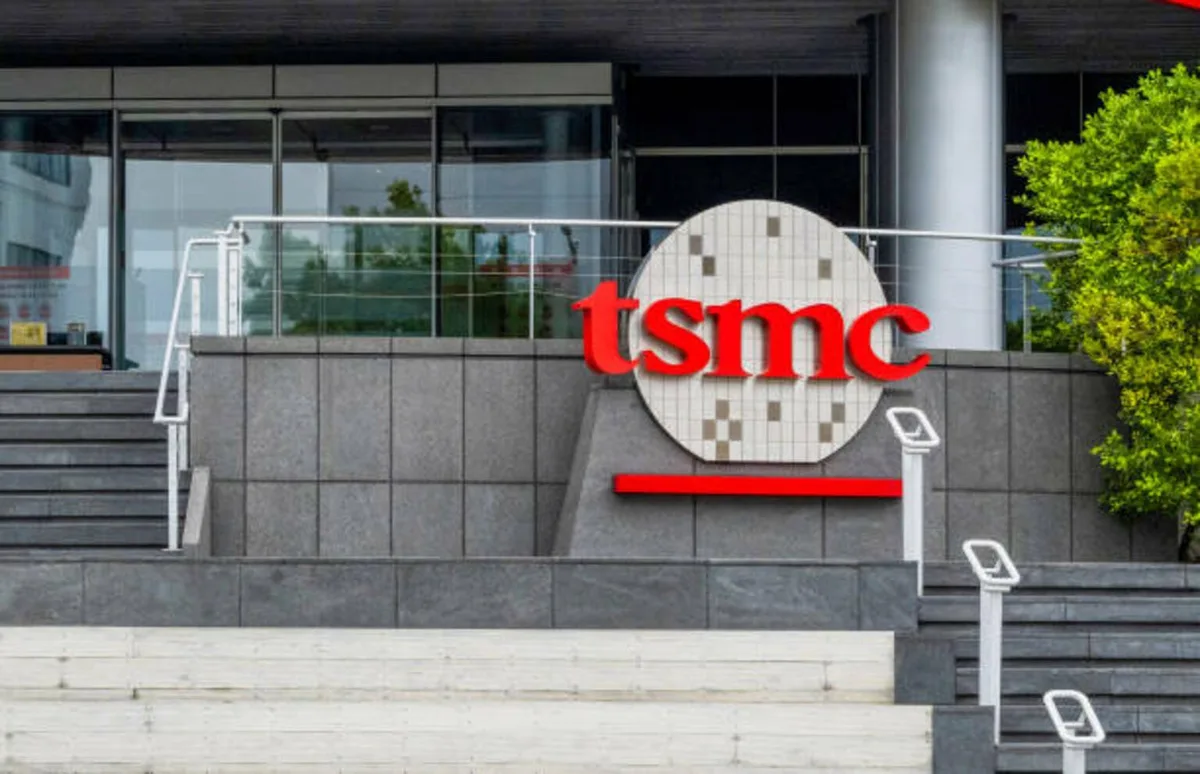
Taiwan Semiconductor Manufacturing Company has been upgraded to a buy rating by analysts at Seeking Alpha, who point to a confluence of favorable conditions — including accelerating artificial intelligence chip demand, restrained capital expenditure, and a widening technological moat built around extreme ultraviolet lithography — as the catalyst for the reassessment.
The AI buildout continues to fuel extraordinary appetite for advanced semiconductors, and TSMC sits at the center of that supply chain as the world's dominant contract chipmaker. As hyperscalers and AI hardware companies race to secure next-generation compute capacity, TSMC's order book stands to benefit directly from the secular spending surge across the industry.
Read more Jim Cramer Backs Ingredion as Future Powerhouse After Tate & Lyle Deal →
Disciplined capital expenditure management is emerging as a key differentiator. Rather than overextending on factory buildout at the peak of a cycle, TSMC's measured approach to CapEx signals operational maturity — a quality that tends to protect margins and shareholder returns when demand cycles inevitably shift. Analysts appear to be rewarding that restraint with renewed confidence in the stock's risk-reward profile.
Perhaps the most durable element of the bull case is TSMC's leadership in EUV chip manufacturing, a cutting-edge process technology that rivals have struggled to replicate at scale. That edge gives TSMC pricing power and customer stickiness with the world's most demanding fabless designers, including Nvidia, Apple, and AMD, creating a structural advantage that is difficult to disrupt in the near term.
Taken together, the upgraded outlook reflects a view that TSMC's stock had been pricing in excessive risk, and that the current entry point offers an attractive opportunity for investors willing to hold through geopolitical noise and broader market volatility. Continue reading at SeekingAlpha.