Trump's Housing Bill: Does It Really Ban Wall Street Landlords?
A bipartisan housing bill targets institutional investors, but analysts warn it won't quickly fix affordability or ease voter anger.
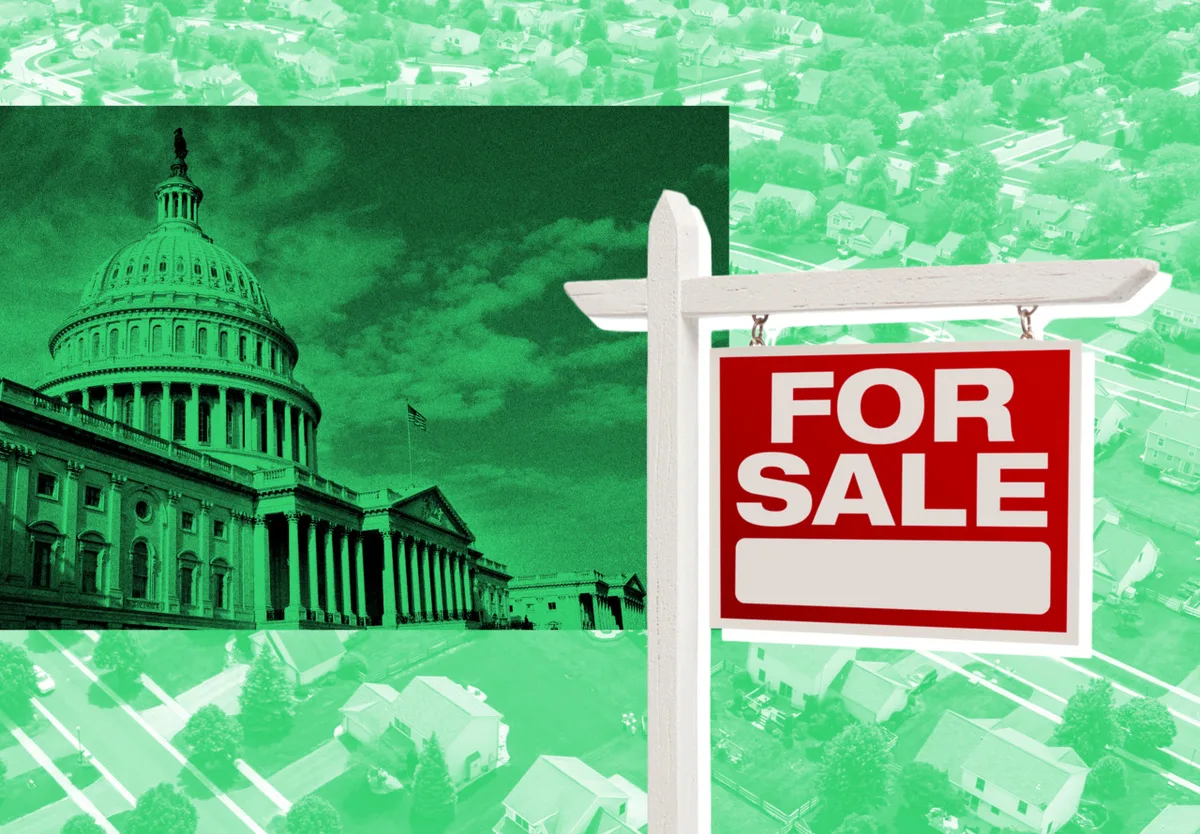
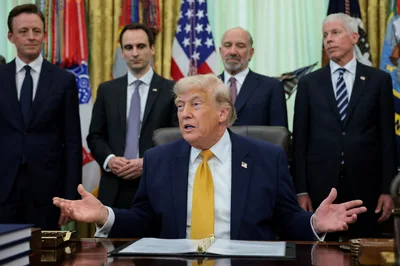
A bipartisan housing bill gaining attention in Washington claims to crack down on Wall Street's role in the single-family home market, but analysts are already tempering expectations about how much the legislation will actually change conditions for everyday buyers. President Trump has touted the measure as a move to push large institutional investors out of the residential housing sector, yet the details behind the bill tell a more complicated story.
Analysts reviewing the proposal warned that the measure "will take time to meaningfully affect housing affordability and will not resolve voter frustration in that area." That assessment cuts to the heart of the political challenge: housing costs have become one of the most visceral kitchen-table issues for American families, and any fix that unfolds over years rather than months risks arriving too late to matter electorally.
Read more Vance Reports Progress in U.S.-Iran Nuclear Talks in Switzerland →
The bipartisan framing of the bill is notable in a deeply divided Congress, suggesting both parties recognize that public anger over corporate landlords and sky-high home prices has reached a threshold demanding a legislative response. However, bipartisan support does not automatically translate into swift or sweeping impact — especially in a housing market shaped by decades of undersupply, elevated mortgage rates, and shifting demographics.
Whether the bill represents a genuine structural reform or political messaging dressed up as policy will likely depend on its final provisions and how aggressively regulators choose to enforce any new restrictions on institutional home purchases. For now, housing advocates and prospective buyers should weigh the proposal's promise against the analysts' sobering timeline. Continue reading at MarketWatch.com