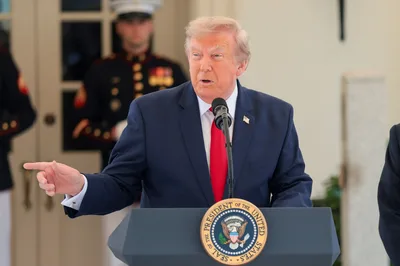
Trump Crypto Holdings Cast Shadow Over Conflict-of-Interest Bill
Lawmakers debating the Clarity Act face pressure over Trump's personal crypto wealth and whether officials should be banned from holding digital assets.
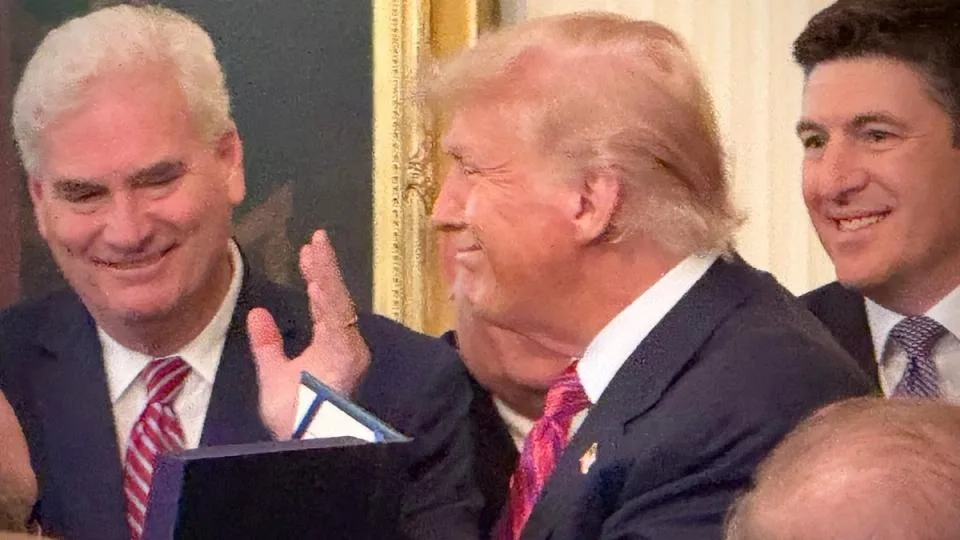
Congressional negotiations over the so-called Clarity Act have grown increasingly fraught as President Donald Trump's substantial personal cryptocurrency holdings force lawmakers to confront a fundamental question: should U.S. officials be barred from owning digital assets they may also be regulating? The tension places Republican sponsors of the legislation in a politically delicate position, caught between advancing a landmark crypto framework and avoiding a direct confrontation with the president over his own financial interests.
Trump and his family have amassed significant crypto-related wealth, a fact that critics argue creates an inherent conflict of interest as the White House simultaneously pushes to shape federal digital-asset policy. The visibility of those holdings has energized Democratic lawmakers and watchdog groups who want any comprehensive crypto bill to include strict prohibitions preventing senior government officials from personally profiting from the sector they oversee.
Read more Trump Plans Primetime Address Citing Declassified 2020 Election Intel →
The Clarity Act is intended to draw clearer jurisdictional lines between the Securities and Exchange Commission and the Commodity Futures Trading Commission over crypto markets — a regulatory gap that the industry has long complained leaves companies in legal limbo. Proponents argue the legislation is urgently needed to give businesses the certainty required to invest and innovate domestically rather than moving operations offshore.
Yet the conflict-of-interest provisions threaten to become a stumbling block that derails broader bipartisan support. Opponents of carve-outs warn that passing a sweeping crypto framework without robust ethics guardrails would hand enormous financial benefits to officials — including potentially the president himself — who hold crypto assets. Supporters of a cleaner bill counter that bundling ethics restrictions into a complex market-structure measure risks sinking the entire effort.
The standoff illustrates how Trump's unprecedented personal financial entanglements with the crypto industry have complicated virtually every major digital-asset policy debate in Washington this year. Continue reading at CoinDesk.