Tiny GLP-1 Implant Could Reshape Long-Term Weight Loss Treatment
Vivani Medical is developing a semaglutide implant aimed at helping patients sustain obesity treatment gains without repeated injections.
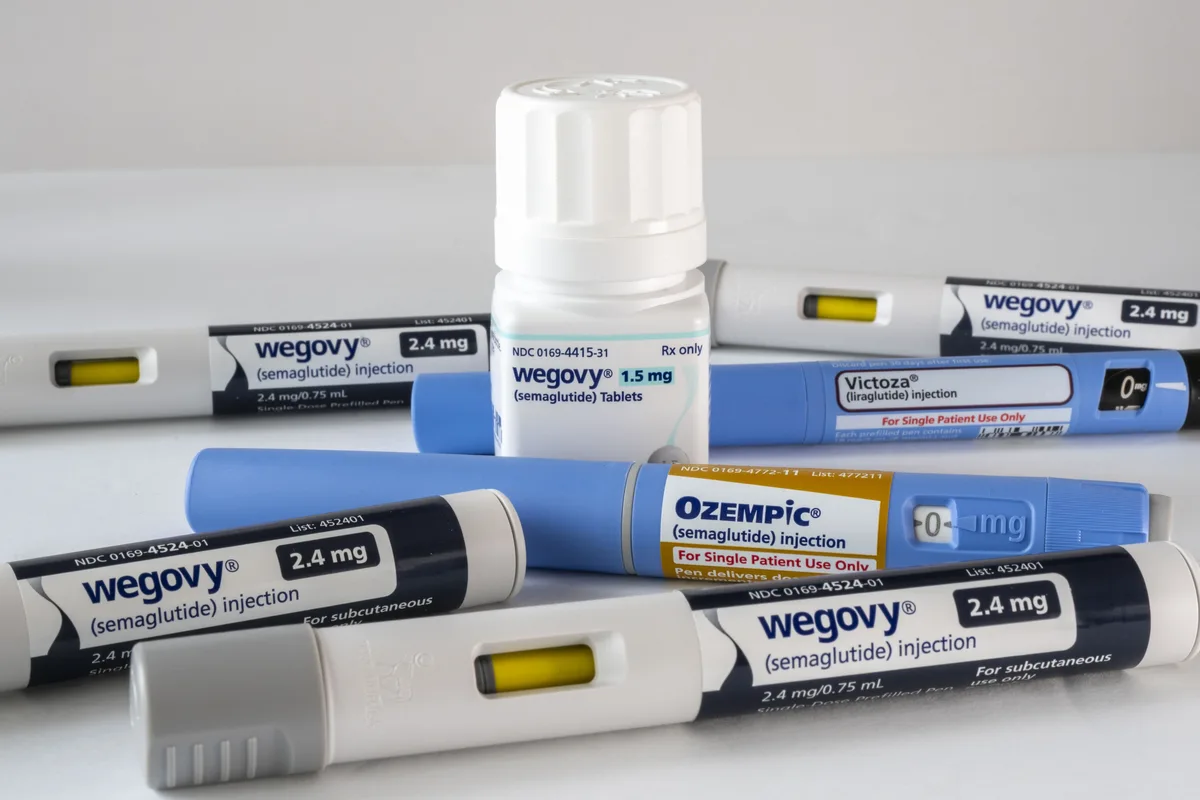
A California-based medical device startup is betting that a miniature implant could solve one of the biggest challenges in obesity medicine: keeping patients on their medication long enough to see lasting results. Vivani Medical is developing a small implant that delivers semaglutide — the same active ingredient powering Novo Nordisk's blockbuster weight-loss injection Wegovy and its diabetes counterpart Ozempic — directly into the body over an extended period.
The move comes as GLP-1 receptor agonists have transformed the obesity treatment landscape, generating tens of billions in revenue and reshaping pharmaceutical pipelines worldwide. Yet adherence remains a persistent obstacle, with many patients discontinuing weekly injections due to side effects, cost barriers, or inconvenience — often regaining the weight they lost shortly after stopping.
Read more Apple Sues OpenAI Over Trade Secret Theft, Sparking Analyst Backlash →
By embedding the drug in a subcutaneous implant, Vivani aims to remove the burden of repeated self-injection from the equation entirely. The approach could appeal to patients who struggle with consistent dosing schedules, potentially unlocking more durable outcomes than conventional injectable therapies currently achieve.
The strategy also reflects broader industry competition to find the next delivery innovation in the booming obesity drug market. As Novo Nordisk and Eli Lilly dominate with injections and oral formulations advance in clinical trials, device-based delivery represents a distinct and relatively unexplored frontier that companies like Vivani are now racing to develop.
Continue reading at US Top News and Analysis.