Summer Heat Wave Will Push Utility Bills Higher, But By How Much?
A prolonged heat wave is driving up home energy use, but predicting the exact bill increase remains difficult for most households.
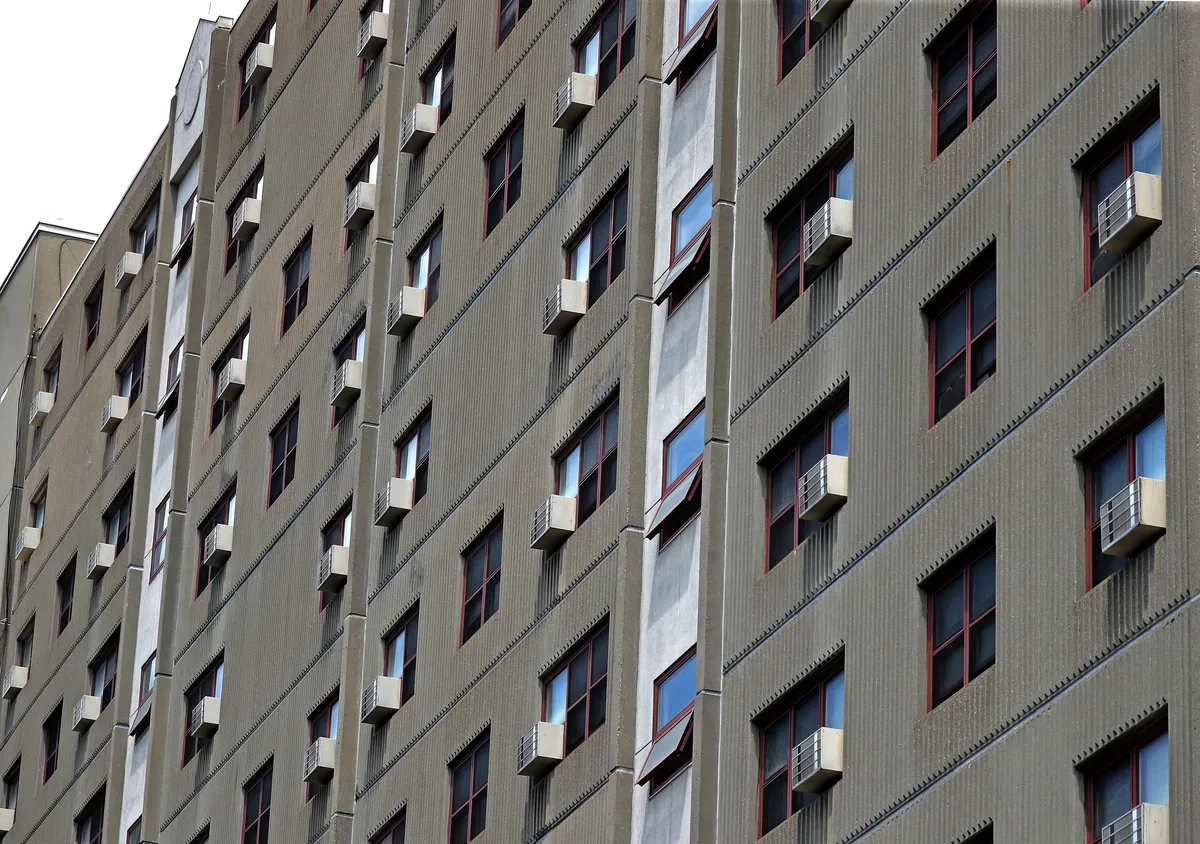
A punishing heat wave is forcing air conditioners across the region to work overtime, and utility customers are bracing for the inevitable: higher electricity bills. But pinning down exactly how much more households will owe at the end of the billing cycle is proving harder than it might seem, according to reporting by the Boston Globe.
Several variables make precise predictions difficult. The size of a home, the age and efficiency of its cooling system, local utility rate structures, and how aggressively residents ran their air conditioning during peak heat hours all factor into the final number. A household that kept its thermostat at 68 degrees around the clock will face a very different bill than one that nudged the setting higher during the hottest afternoon hours.
Read more Five Student Loan Changes Borrowers Need to Know Now →
Utility pricing itself adds another layer of complexity. Many providers use tiered or time-of-use rate schedules, meaning the cost per kilowatt-hour can rise sharply once a customer crosses a certain usage threshold — or during specific high-demand windows of the day. That structure can turn a modest increase in cooling hours into a disproportionately large jump in charges.
Energy experts generally advise customers to review their provider's rate schedule and compare this month's kilowatt-hour consumption — not just the dollar total — against the same billing period in prior years. That comparison strips out rate changes and isolates how much additional energy the heat wave actually consumed. Simple steps like raising the thermostat a few degrees overnight or using ceiling fans to reduce compressor runtime can meaningfully limit the damage before the billing period closes.
Continue reading at bostonglobe for the full analysis on what utility customers can expect and how to manage rising energy costs this summer.