Stock Market Unprepared for 30-Year Treasury Yield at 6%
A spike in the 30-year Treasury yield to 6% would hammer equities and deepen losses in bond funds, analysts warn.
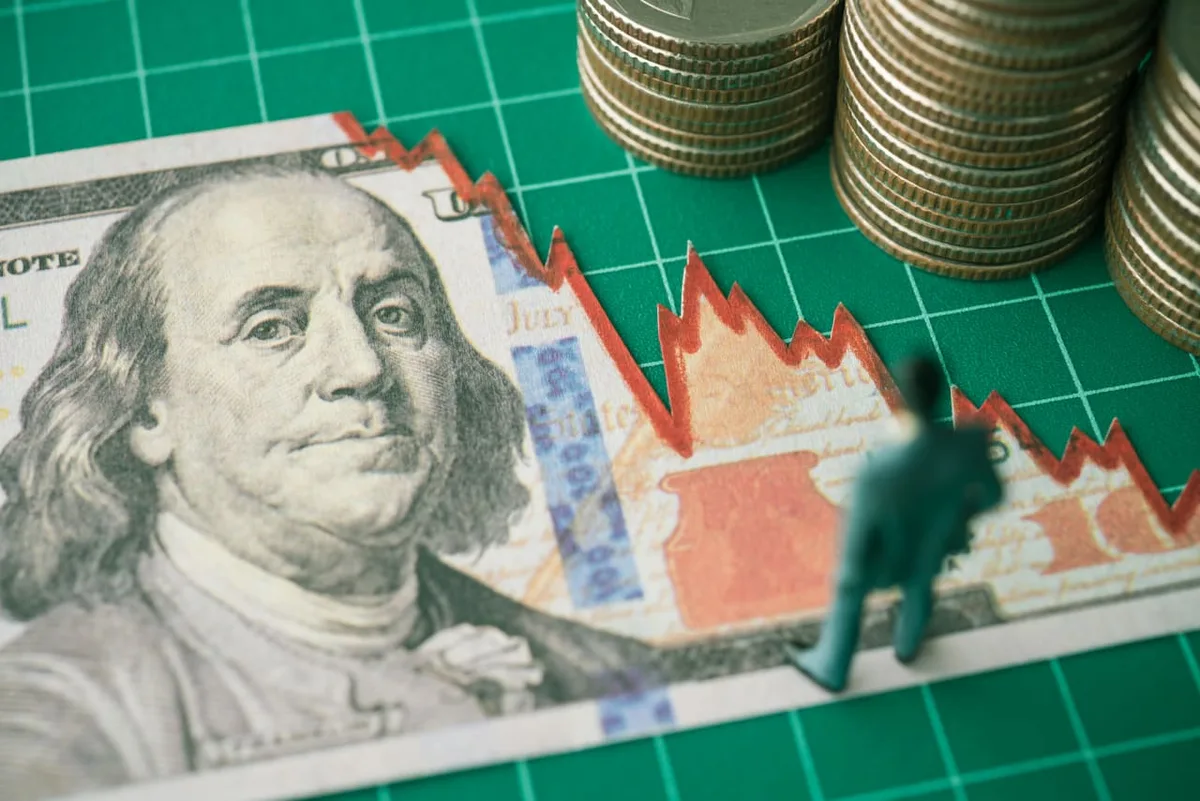
Wall Street is dangerously exposed to a potential surge in long-bond yields, with analysts warning that a 30-year Treasury yield climbing to 6% would wipe out stock market gains and accelerate losses already piling up in bond funds. The alarm underscores how stretched valuations across asset classes have left investors with limited cushion against a sharp rate shock.
The 30-year Treasury yield serves as a critical benchmark for long-duration borrowing costs, influencing everything from mortgage rates to corporate debt pricing. When yields rise sharply, the present value of future earnings falls, placing outsized pressure on growth stocks and richly valued equity indexes that have driven the bull market higher in recent years.
Read more Tech Wealth Boom Drives Record Auction Sales in First Half →
Bond funds would face compounding pain in such a scenario. Existing fixed-income portfolios carry significant duration risk, meaning even a modest upward move in long yields translates into meaningful price declines — a 6% yield level would represent a severe test for funds that have already absorbed losses during the post-pandemic rate cycle.
The warning arrives at a moment when the Federal Reserve's path on interest rates remains uncertain and fiscal pressures — including elevated government borrowing — continue to push supply in the Treasury market higher. Those structural forces could sustain upward pressure on yields well beyond what short-term rate expectations alone would justify, leaving equities vulnerable to a repricing event that few portfolio managers appear positioned to absorb.
Continue reading at MarketWatch.com