SpaceX ETF Volatility Exposes Risks of Leveraged Single-Stock Funds
SpaceX shares surged at their market debut then quickly retreated, delivering a harsh lesson on the dangers of leveraged single-stock ETFs.
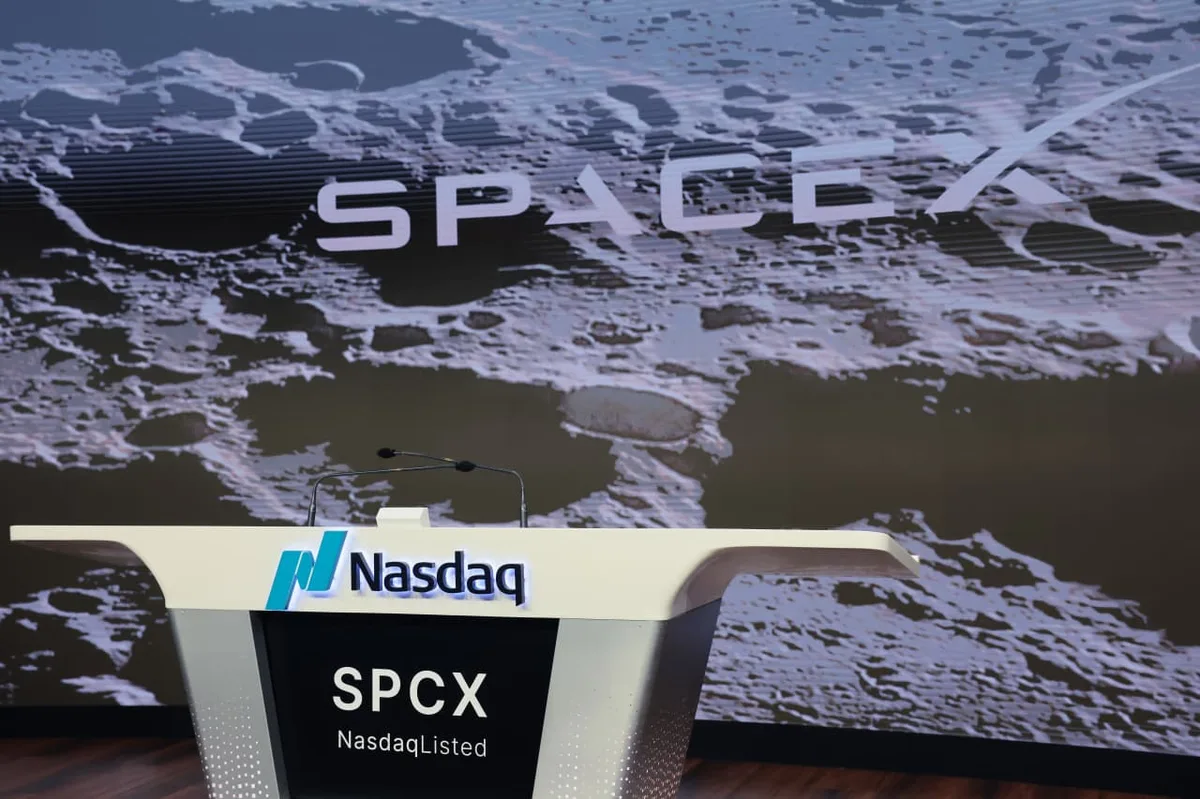
SpaceX stock burst onto public markets this month with a high-profile debut, only to see its early gains evaporate rapidly — catching leveraged ETF investors in a painful, swift reversal that underscored one of the most persistent dangers in modern retail investing.
Leveraged exchange-traded funds tied to single stocks amplify both gains and losses, often by a factor of two or three times the underlying security's daily move. When a high-profile name like SpaceX surges on debut enthusiasm and then corrects just as sharply, those instruments can destroy capital at a speed that catches even experienced traders off guard.
Read more Intel to Design and Make Chips for Apple: What It Means for INTC →
The SpaceX episode is not an isolated cautionary tale. Leveraged single-stock ETFs have drawn regulatory scrutiny precisely because their compounding mechanics erode value over time during periods of high volatility — a structural feature that many retail investors do not fully understand before buying in during a moment of market excitement.
Market watchers point out that the hype surrounding a headline-grabbing IPO is exactly the environment where leveraged products are most dangerous: sentiment-driven price swings are wider, liquidity can be thinner, and the gap between perceived and actual risk is at its largest. Investors chasing momentum in such instruments can face losses that far exceed what the underlying stock itself delivers.
The rapid fade of SpaceX's post-IPO excitement serves as a timely warning that leveraged ETFs demand a level of risk tolerance and active oversight that goes well beyond a standard buy-and-hold approach. Continue reading at MarketWatch.com