South Korea's IPO Slump Dims Equity Market Outlook
South Korea's IPO activity trails regional peers as chaebol structures and governance reform tensions weigh on new listings.
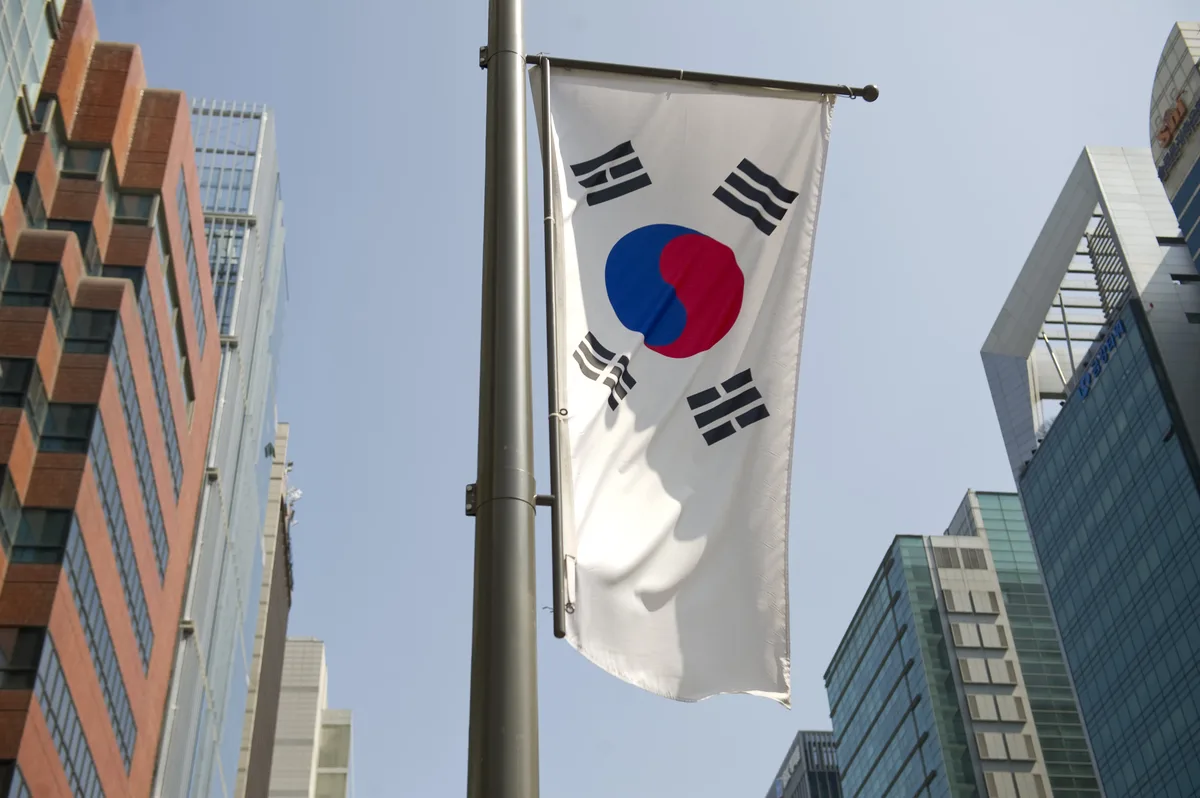
South Korea's initial public offering market is underperforming compared to regional competitors, with the country's distinctive corporate ownership model and ongoing governance reform efforts creating a chilling effect on new equity listings, according to reporting by US Top News and Analysis.
The chaebol system — the family-controlled industrial conglomerates that dominate South Korea's economy — lies at the heart of the problem. These sprawling corporate dynasties have historically favored internal capital allocation over public market fundraising, reducing the pipeline of high-quality IPO candidates that investors and exchanges depend on to sustain listing activity.
Read more Three Long-Term Stocks Worth Buying in June 2026 →
Compounding the structural issue, governance reform efforts designed to make South Korean companies more transparent and shareholder-friendly appear to be creating friction rather than momentum. Reforms that alter ownership arrangements or board compositions can introduce uncertainty for controlling families, potentially discouraging them from pursuing public listings that would invite greater regulatory and investor scrutiny.
The equity market consequences extend beyond just the number of deals. A thin IPO calendar limits the diversity of investment opportunities available to domestic and foreign investors, which in turn can suppress overall market participation and weigh on valuations across the broader South Korean equity landscape. Regional peers with more active listing pipelines stand to capture capital flows that might otherwise find a home in Seoul.
Analysts watching South Korea's capital markets will be closely monitoring whether reform momentum ultimately unlocks latent listing activity or continues to act as a brake on corporate ambitions to go public. Continue reading at US Top News and Analysis.