Social Security and Medicare Face Looming Insolvency Threats
Trustees reports reveal urgent financial pressures on Social Security and Medicare, with implications for millions of Americans dependent on both programs.
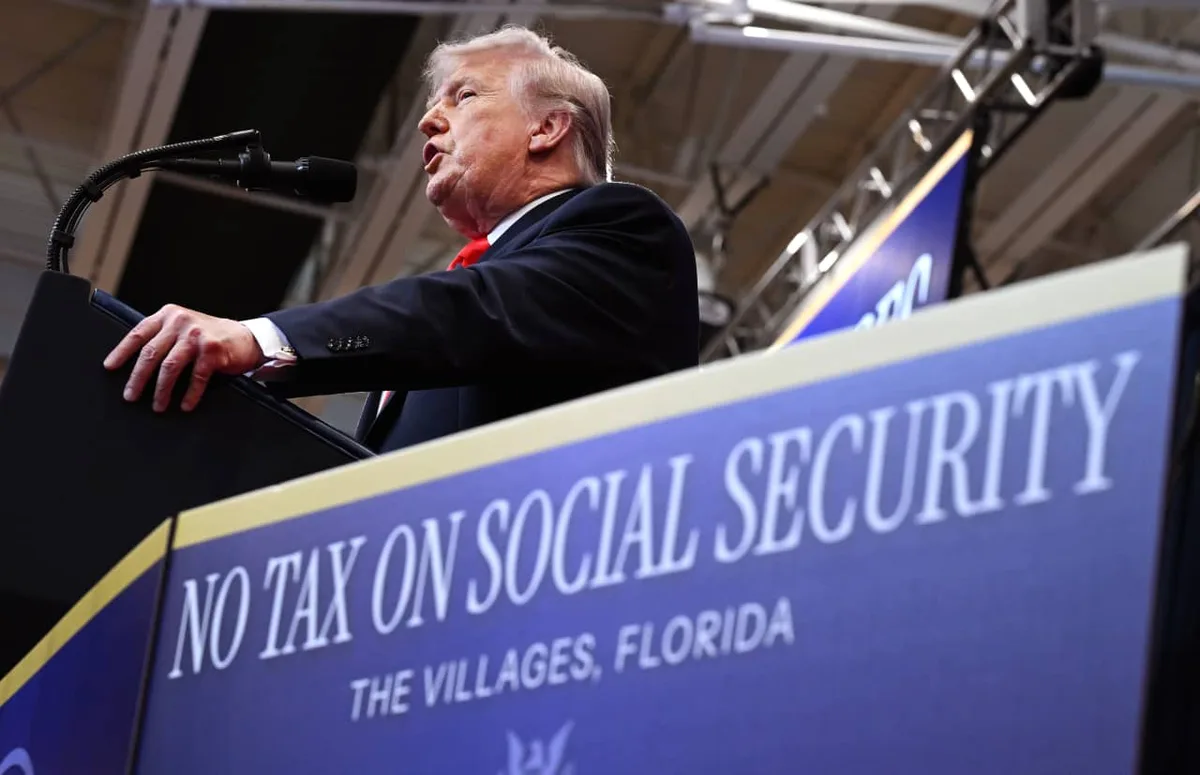
Federal trustees have sounded a stark alarm over the long-term financial health of Social Security and Medicare, according to their latest annual reports — and analysts say the warning signs demand immediate public attention. The reports lay out a trajectory that, without congressional intervention, points toward benefit cuts and funding shortfalls that would directly affect tens of millions of retirees and disabled Americans.
The reports scrutinize several popular policy proposals that proponents claim could ease the programs' fiscal strain. Claims that the Department of Government Efficiency — informally known as DOGE — has generated meaningful savings relevant to Social Security or Medicare do not hold up to the scrutiny the trustees' data applies, according to analysis of the findings. The actual structural deficits in both trust funds run far deeper than any administrative cost-cutting could realistically address.
Read more Bill Maher Blasts Trump Over War Deal: 'We Got Nothing' →
The push to eliminate federal income taxes on Social Security benefits, a proposal that has gained political traction, also raises red flags in the context of the reports. While popular among recipients, such a move would accelerate the depletion of the trust funds by reducing a key revenue stream, potentially bringing insolvency dates closer than current projections already indicate.
Immigration policy, often overlooked in entitlement debates, also surfaces as a significant variable. A larger working-age immigrant population generally contributes more payroll tax revenue to the trust funds, meaning restrictive immigration policies could compound the financial pressures both programs already face over the coming decades.
The trustees' reports serve as the most authoritative annual accounting of where these programs stand — and this year's edition delivers findings that fiscal experts say should not be dismissed as distant abstractions. Continue reading at MarketWatch.com