Singapore PM's Pay to Rise 64% to $3.6M SGD After 15-Year Freeze
Singapore PM Lawrence Wong will receive a 64% pay raise, pushing his annual package to S$3.6 million — the highest for any head of government globally.
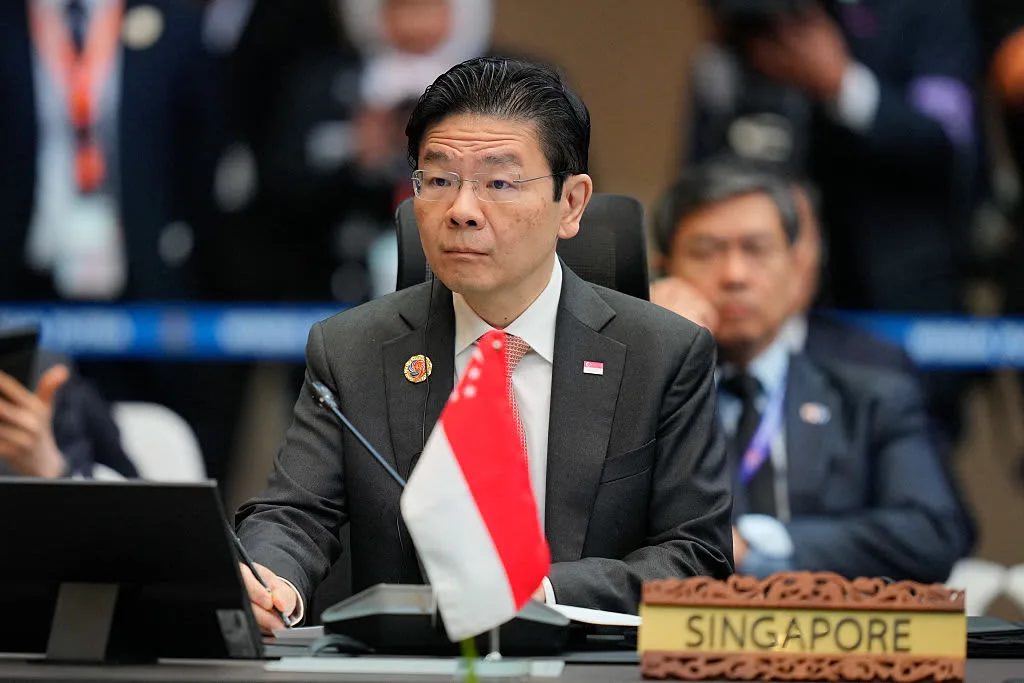
Singapore Prime Minister Lawrence Wong announced a sweeping upward adjustment to ministerial salaries this week, with his own annual compensation package set to climb to 3.6 million Singapore dollars — a 64% increase that cements his standing as the highest-paid head of government in the world. The revision ends a 15-year freeze on ministerial pay in the city-state, a span during which global inflation and cost-of-living pressures reshaped compensation benchmarks across both public and private sectors.
The move reignites a perennial debate over how much elected leaders should earn, and whether generous government salaries attract top-tier talent or simply insulate officials from the economic realities facing ordinary citizens. Singapore has long defended its high ministerial pay model as a deliberate strategy to recruit and retain capable leaders who might otherwise migrate to the private sector, where compensation at that level is commonplace in finance and technology.
Read more Vietnamese, Indian Prime Ministers Hold Bilateral Talks →
Placed in global context, Wong's revised package dwarfs what most world leaders take home. U.S. President Joe Biden earns $400,000 annually, while leaders of major European economies typically receive well under $500,000 in total official compensation — figures that pale against Singapore's new benchmark even before currency adjustments are factored in.
The 15-year gap since the last salary review is itself notable. Singapore's government has historically tied ministerial pay to benchmarks drawn from top private-sector earners, making periodic reviews a structural feature of its compensation philosophy rather than an ad hoc political decision. Whether the size of this particular adjustment will face public pushback remains to be seen, given the current global climate of economic anxiety.
Continue reading at US Top News and Analysis.