Prediction Markets Raise Insider Trading Fears at Major Firms
Goldman Sachs and other companies are updating trading policies as prediction markets grow, raising fresh insider trading concerns among employees.
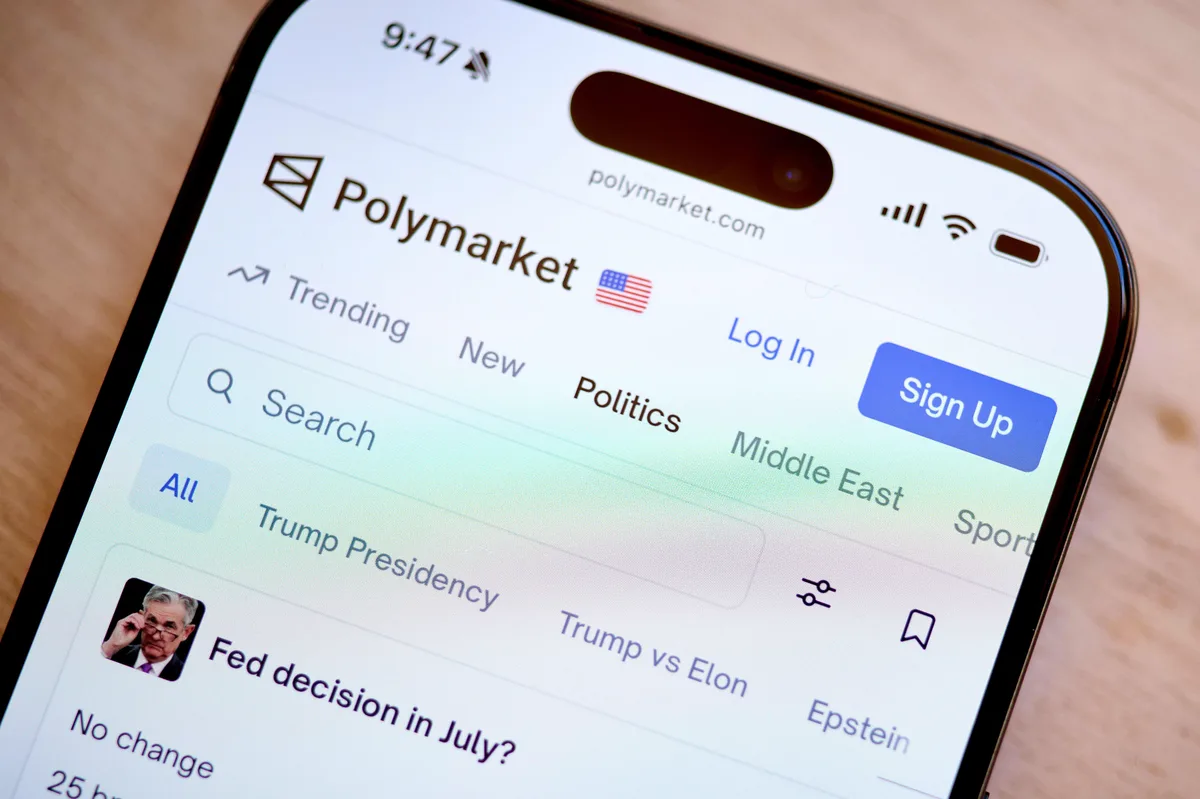
Prediction markets — platforms where users bet real money on the outcome of political, economic, and corporate events — are triggering a new wave of compliance concerns inside some of America's largest companies, as executives and legal teams scramble to determine whether employees trading on such platforms could constitute insider trading.
CNBC contacted 50 major companies to ask how their existing trading policies apply to employee participation in prediction markets. Only a handful responded with clear answers, exposing a significant and largely unaddressed gap in corporate governance frameworks that were designed long before platforms like Kalshi and Polymarket gained mainstream traction.
Read more Palm Beach Capital Takes Strategic Stake in NELSON Worldwide →
Goldman Sachs was among the companies identified as actively grappling with the question of how to treat prediction market activity under its internal compliance rules. The concern is straightforward: an employee with access to nonpublic information — say, advance knowledge of an earnings miss, a merger, or a regulatory decision — could theoretically profit on a prediction market just as easily as on a conventional stock or options trade, potentially in ways that are harder to detect.
The regulatory landscape governing prediction markets remains unsettled, and most corporate trading policies were never written with these platforms in mind. That ambiguity leaves both employers and employees in uncertain legal territory, and compliance experts warn the window for proactive policy-setting is narrowing as these markets grow in volume and visibility. The lack of universal guidance means individual firms are largely writing the rules themselves — or, in many cases, not writing them at all.
Continue reading at US Top News and Analysis.