Prediction Markets Raise Insider Trading Fears at Major Firms
Companies scramble to address employee trading policies on prediction markets as insider trading concerns mount. Most firms contacted had no clear answer.
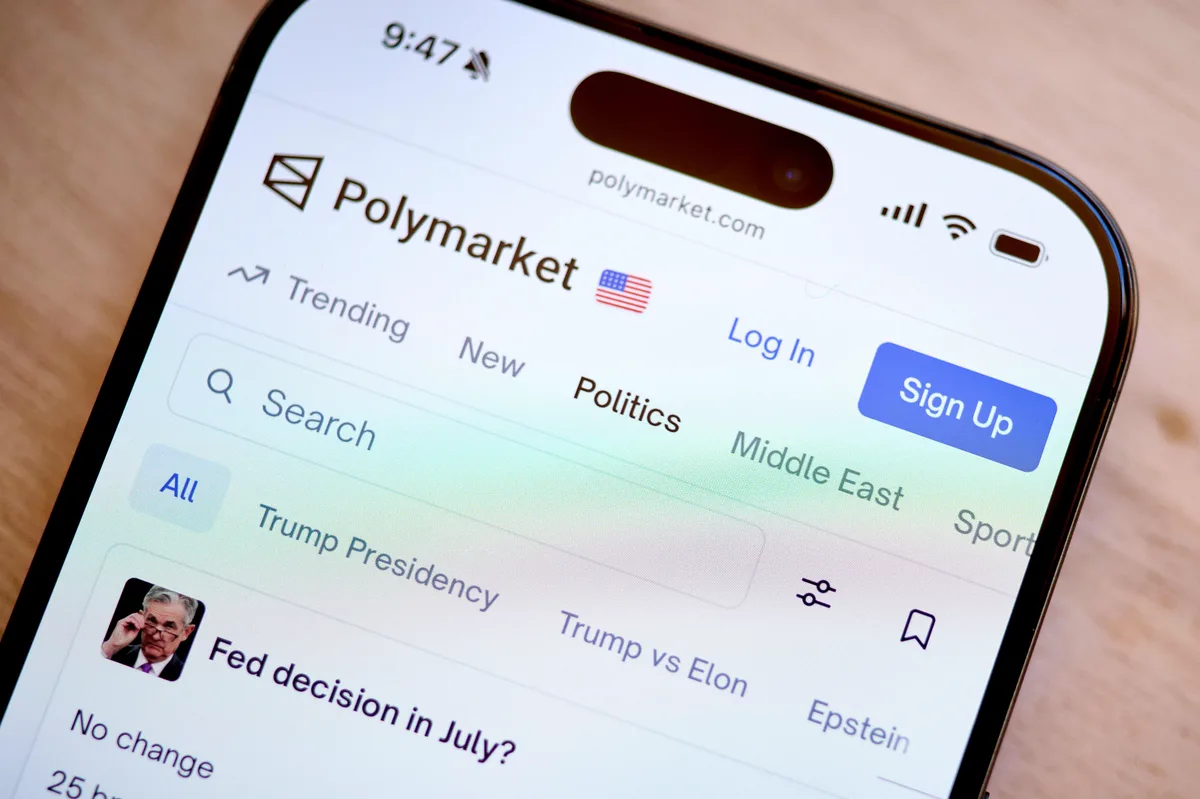
Prediction markets are forcing Wall Street and corporate America to confront a thorny new compliance question: can employees legally bet on outcomes they may already know? CNBC contacted 50 major companies to determine what trading policies, if any, they have established for staff participating in these platforms — and the responses revealed a striking policy vacuum across industries.
Goldman Sachs was among the few firms that provided a substantive response, signaling that at least some financial giants are beginning to grapple with the issue. The overwhelming majority of the 50 companies surveyed either had no formal policy in place or declined to comment, exposing a significant gap in corporate governance as prediction markets grow in popularity and mainstream accessibility.
Read more S&P 500 Gains Driven by a New Cohort of Stocks in Q2 →
The core concern is straightforward: an employee with access to non-public information — an upcoming earnings miss, a pending merger, or an internal product delay — could theoretically place wagers on prediction platforms that amount to the digital equivalent of insider trading. Unlike stock markets, prediction markets have historically operated in a regulatory gray zone, meaning existing securities law may not cleanly apply, leaving both companies and regulators without a clear enforcement framework.
The lack of coordinated industry response suggests that compliance departments have been caught flat-footed by the rapid rise of these platforms. As prediction markets attract more capital and credibility, the pressure on corporations to craft explicit, enforceable policies will only intensify — particularly as regulators begin to take notice of the potential for abuse.
Continue reading at US Top News and Analysis