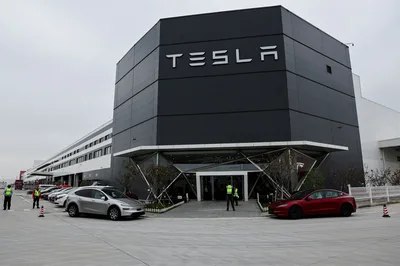
Nike, Starbucks and GM Lose Ground to Chinese Rivals
Major US brands are retreating in China as local competitors surge, geopolitics intensify, and consumer tastes shift against Western names.
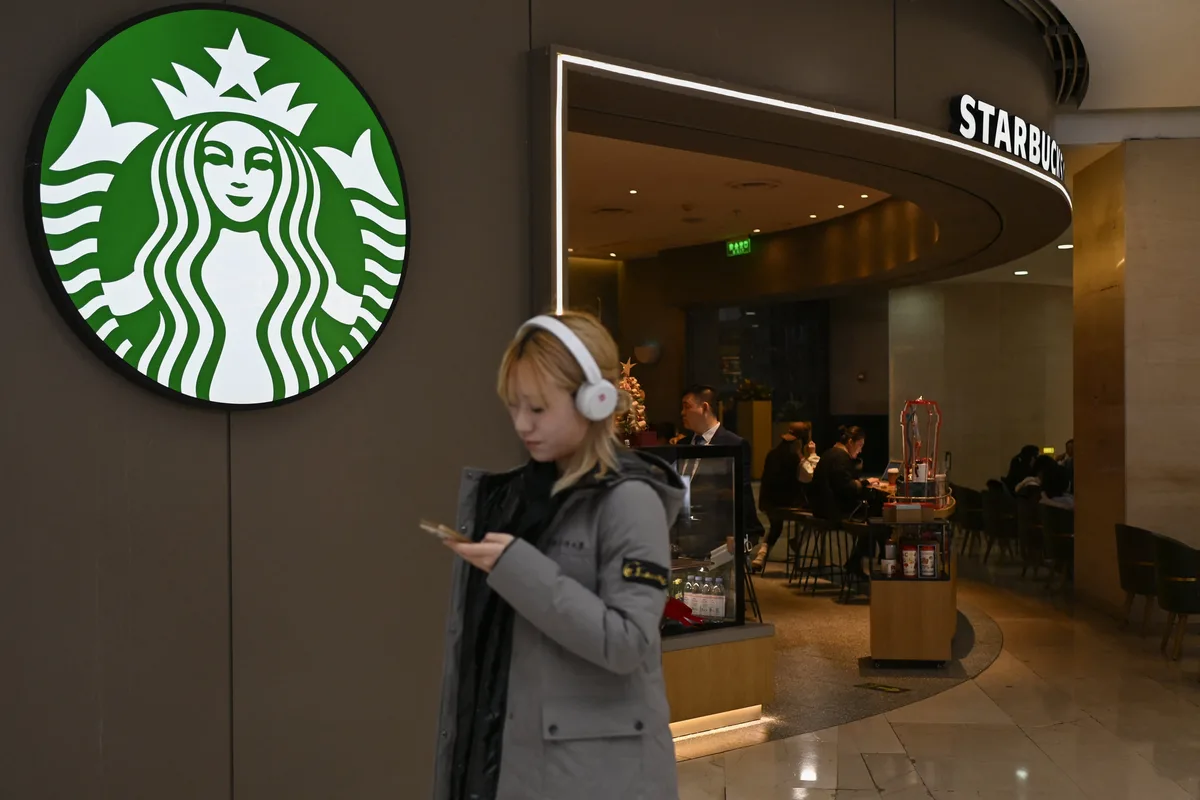
Three of America's most iconic consumer brands — Nike, Starbucks and General Motors — are losing meaningful market share in China, squeezed simultaneously by homegrown competitors, rising geopolitical friction between Washington and Beijing, and a structural shift in how Chinese consumers perceive and prioritize domestic products over Western labels.
Chinese rivals have moved aggressively to capture the ground these US giants once dominated. Domestic sportswear labels, local coffee chains and Chinese automakers — particularly electric vehicle manufacturers — have improved product quality, lowered prices and leaned into nationalist sentiment to win over buyers who might once have viewed a foreign brand as a status symbol.
Read more Tesla Recalls 3 Million Vehicles in China Over Safety Flaws →
Geopolitics has compounded the commercial challenge. Tensions between the US and China over trade, technology and Taiwan have made American brand identity a liability in some Chinese consumer circles, accelerating a preference shift that was already underway before diplomatic relations deteriorated. Brand loyalty that took decades to build is eroding faster than many executives anticipated.
Changing consumer preferences add a third layer of pressure. Younger Chinese shoppers, in particular, have embraced a "guochao" — or national tide — cultural movement that celebrates domestic brands as expressions of modern Chinese identity, making it harder for foreign companies to compete on image alone regardless of price or quality arguments.
For US multinationals, China remains too large a market to exit quietly, yet the strategic calculus of investing heavily there grows more complicated each quarter. Executives face the difficult task of localizing fast enough to remain relevant while managing the reputational and regulatory risks of deep China exposure. Continue reading at US Top News and Analysis.