Memory Chip Shortage Pushes Up Laptop and Smartphone Prices
A global memory chip shortage tied to AI demand is raising consumer electronics costs and threatening product availability.
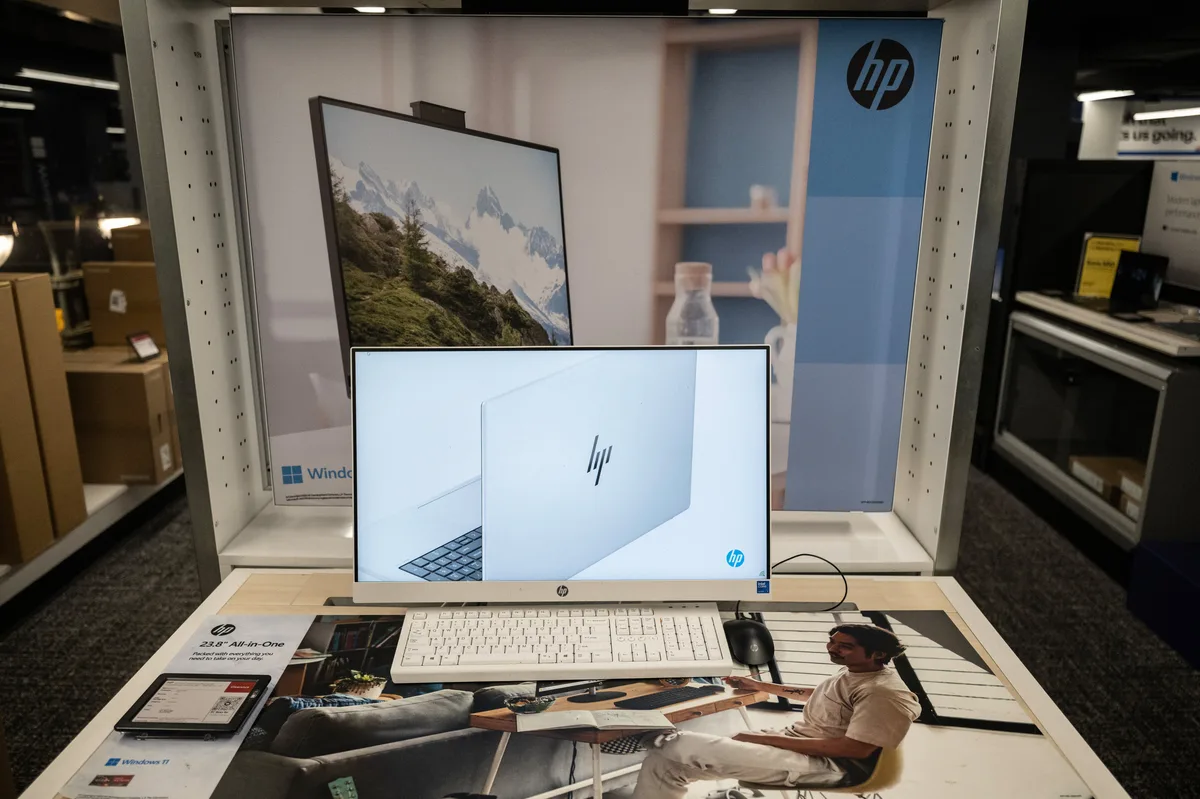
A tightening supply of memory chips is hitting retailers of laptops and smartphones hard, as surging artificial intelligence development competes for the same components that power everyday consumer devices. The shortage, driven by accelerating global AI investment, is already translating into higher costs along the supply chain — costs that industry analysts expect will ultimately land on consumers.
Retailers face a painful squeeze: absorb the higher input costs and protect margins, or pass price increases to shoppers already contending with broader inflation pressures. Neither option is comfortable, and the calculus could differ significantly between budget-tier and premium device makers.
Read more Apple Stock Posts Worst Single-Day Drop in Over a Year →
Beyond sticker prices, the supply crunch raises the prospect of genuine product shortages — meaning popular laptop and smartphone models could simply become harder to find on shelves. That scenario would compound pressure on retailers during key selling seasons, potentially shifting purchasing behavior toward older inventory or alternative brands with more stable component pipelines.
The memory chip market has historically been cyclical, swinging between glut and scarcity, but the AI boom introduces a structural new source of demand that did not exist at scale in previous downturns. That distinction makes a swift supply-side correction less certain than in past chip cycles, leaving both retailers and consumers in an uncertain position heading into the coming quarters.
Continue reading at US Top News and Analysis.