Low-Volume Prediction Markets Leave Users Exposed to Bots
Prediction market trading has surged, but most contracts stay under $10,000 in volume, creating volatility and bot-manipulation risks.
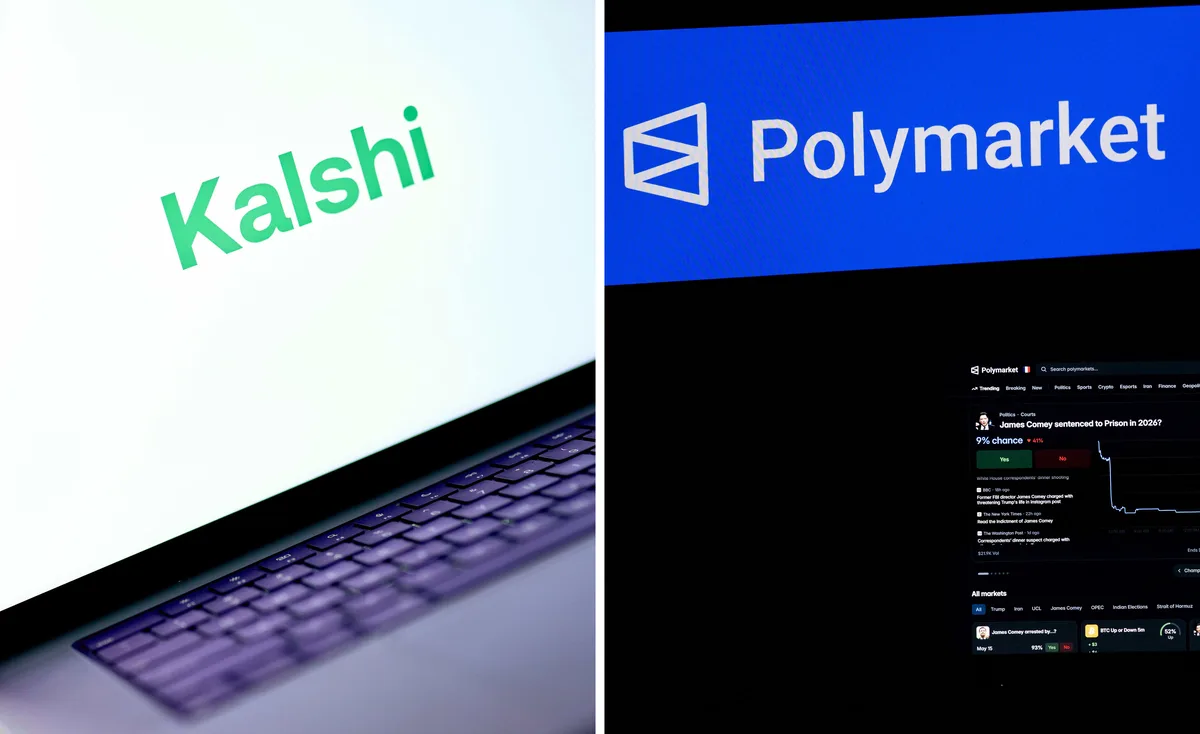
Prediction markets have exploded in popularity, but a fundamental structural problem lurks beneath the headline growth: the vast majority of individual contracts attract so little trading activity that users face outsized risks from price swings and automated trading bots. Despite exponential gains in overall platform volume, most markets never cross the $10,000 threshold — a level widely considered the minimum for healthy price discovery.
Thin liquidity is the core danger. When only a handful of participants are active on a given contract, a single large order — or a coordinated bot strategy — can dramatically shift the implied odds, pushing prices away from their true probabilistic value. Retail users who interpret those distorted prices as crowd wisdom may be making decisions based on manipulated signals rather than genuine market consensus.
Read more Dow Sets Records as Investors Shift From AI Chips to Blue Chips →
The explosive growth in aggregate prediction market volume masks this disparity. High-profile political and economic events attract millions of dollars in wagers and generate the headline numbers that fuel media coverage and investor enthusiasm. But those blockbuster contracts represent a small fraction of the total listings available on major platforms, leaving the long tail of contracts essentially illiquid and vulnerable.
The bot problem compounds the liquidity issue. Automated trading programs thrive in low-volume environments precisely because smaller capital is required to move markets. Human traders operating in good faith have little defense against algorithms that can detect and exploit thin order books faster than any manual response allows. Platform operators have so far offered limited tools to protect casual users from these dynamics.
As prediction markets position themselves as legitimate forecasting tools and attract mainstream attention, the gap between their most-traded and least-traded contracts poses a credibility and consumer-protection challenge the industry has yet to solve. Continue reading at US Top News and Analysis.