Landon Donovan: Youth Soccer Costs Would Have Shut Him Out Today
Soccer legend Landon Donovan says he'd have 'zero chance' affording today's youth soccer fees, raising questions about U.S. World Cup performance.
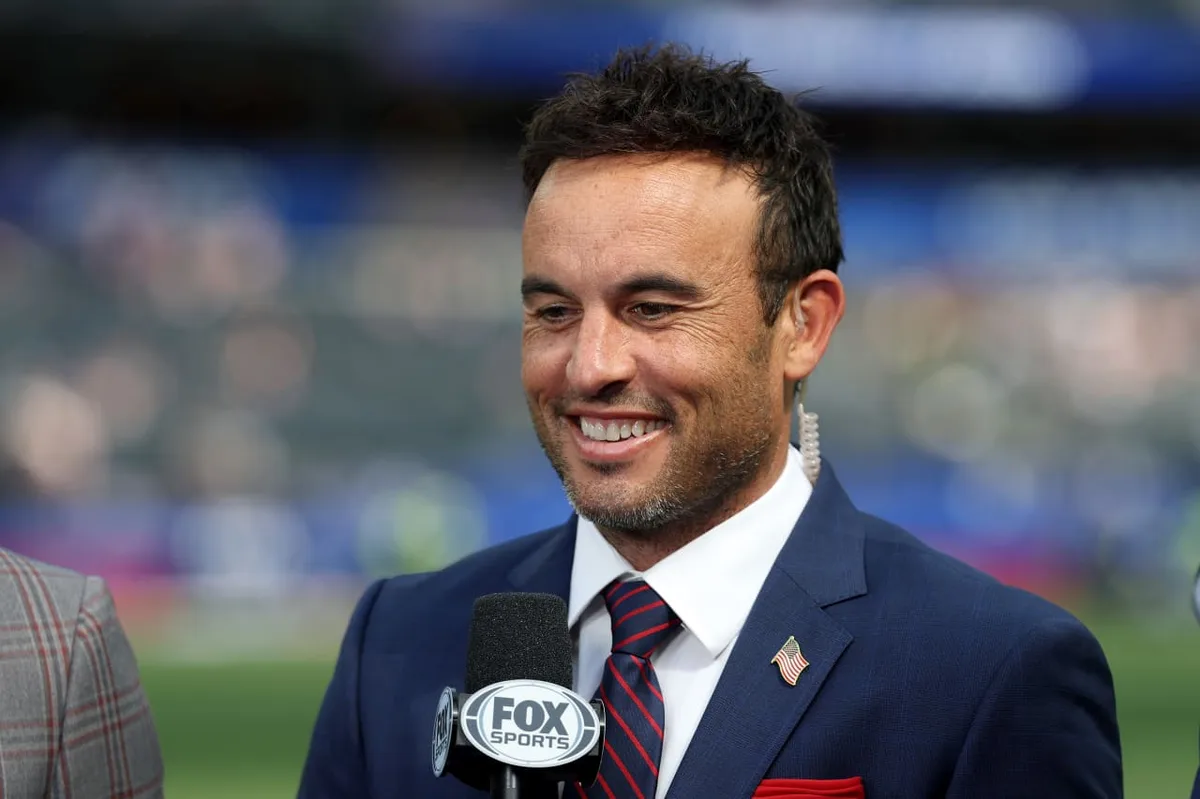
Landon Donovan, one of the greatest players in U.S. men's soccer history, says the soaring cost of youth soccer in America would have completely barred him from the sport if he were growing up today — a stark admission that spotlights a systemic problem threatening the pipeline of American talent.
Donovan's comments come as the U.S. men's national team once again fell short at the World Cup, failing to advance beyond the Round of 16. Critics and analysts have increasingly pointed to the pay-to-play model dominating American youth sports as a structural barrier that filters out economically disadvantaged kids before they ever get a real shot at development.
Read more Apollo Warns Slow AI Returns Could Push Economy Into Recession →
Unlike in soccer powerhouse nations, where the sport is deeply embedded in public culture and accessible at little or no cost, youth soccer in the United States has become a premium product. Club fees, travel costs, equipment, and coaching expenses can run into the tens of thousands of dollars per year, effectively pricing out working-class and lower-income families — the very communities that, in many countries, produce the most prolific soccer talent.
Donovan's candid self-assessment carries particular weight because he himself rose to become the face of American soccer. His acknowledgment that today's financial barriers could have derailed his own career underscores how much the landscape has changed, and raises urgent questions about whether the U.S. is systematically leaving elite talent on the sidelines simply because families can't write the checks.
As the U.S. prepares to co-host the 2026 World Cup alongside Canada and Mexico, pressure is mounting on soccer's governing bodies to address affordability and accessibility before the sport's biggest stage arrives on home soil. Continue reading at MarketWatch.com