Jet Fuel Costs Fall But Canadian Airlines Keep Fares High
Fuel prices have dropped for airlines, yet carriers are holding summer fares steady as strong travel demand gives them little reason to cut tickets.
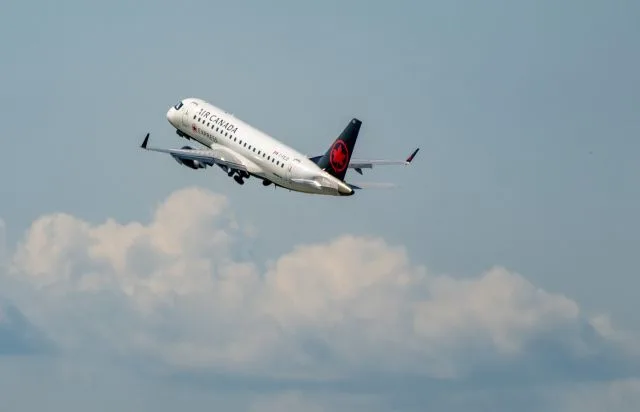
Canadian airlines are refusing to pass falling jet fuel savings on to travelers this summer, keeping airfares elevated even as one of their biggest operating costs declines, according to a report from Castanet and The Canadian Press. The divergence between input costs and ticket prices points to a pricing environment where airlines are capitalizing on robust consumer demand rather than competing on cost.
Jet fuel has historically been the single largest variable expense for carriers, so a meaningful drop in fuel prices would normally create room for fare reductions or at least promotional pressure. Instead, airlines appear to be treating lower fuel costs as a margin opportunity, effectively pocketing the savings while travelers continue booking seats at current price levels.
Read more Amazon Devices Chief Panos Panay Outlines AI Gadget Strategy →
The reason carriers can hold this line is straightforward: summer travel demand remains strong enough that seats are filling without discounts. When load factors stay high, airlines face no commercial incentive to reduce fares, and the competitive dynamic among carriers has not forced anyone's hand heading into the peak vacation season.
For consumers hoping that easing energy markets would translate into cheaper flights, the current situation is a reminder that airfare is driven as much by demand conditions and airline pricing strategy as by underlying fuel costs. Analysts and consumer advocates have long noted that airlines are quicker to raise fares when fuel spikes than they are to lower them when fuel retreats.
The pattern raises broader questions about competition and transparency in the Canadian aviation market, where a small number of dominant carriers control most capacity. Continue reading at castanet.