IRS Tax Liens Are Rising and Can Devastate Finances
Federal tax liens filed by the IRS are increasing and can crush credit access and employment prospects, a consumer advocate warns.
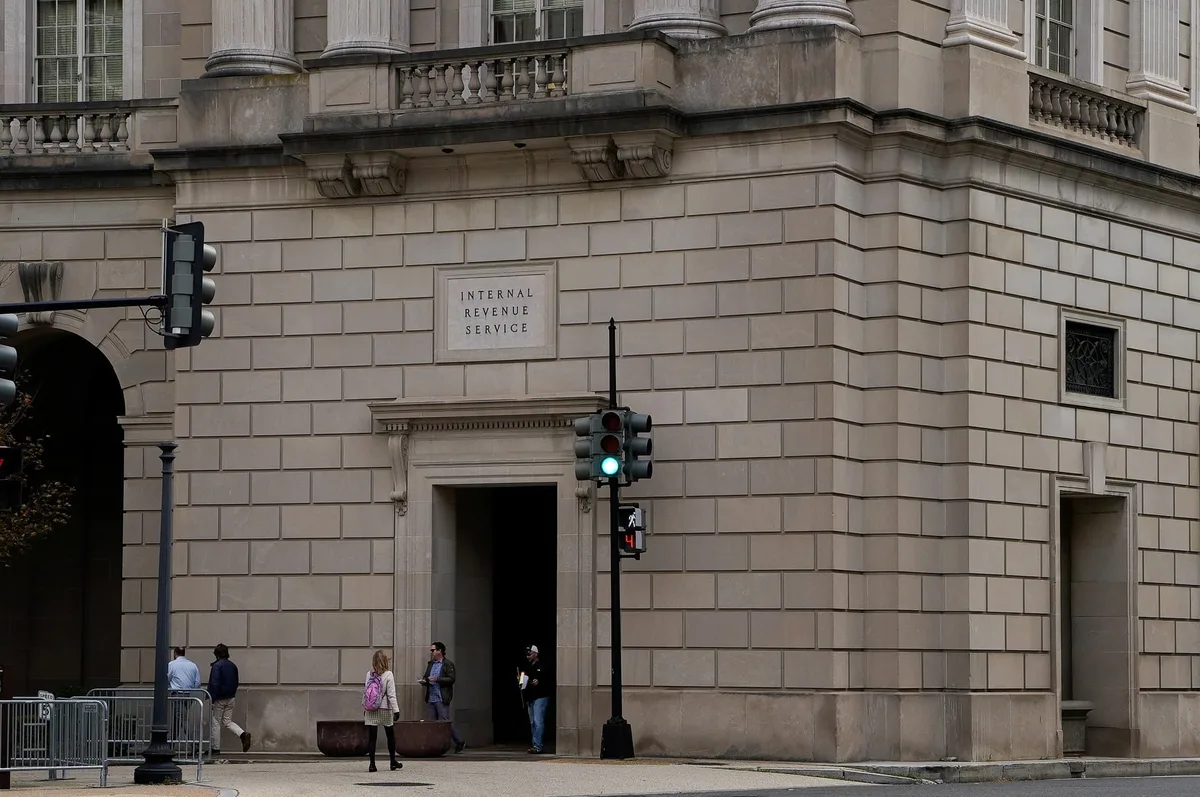
The Internal Revenue Service is filing more federal tax liens against American taxpayers, and consumer advocates say the consequences can be financially catastrophic. A lien — a legal claim the government places on a person's property when they fail to pay a tax debt — signals to lenders, employers, and landlords that the filer has an unresolved obligation to the federal government.
A consumer advocate quoted in the original report described IRS tax liens as a "kiss of death," underscoring just how severely the filings can ripple through a person's financial life. When a lien is in place, it can block or severely limit a taxpayer's ability to secure loans, open lines of credit, or refinance a home, since the government's claim typically takes priority over other creditors.
Read more IRS Tax Liens Are Rising and Can Devastate Your Finances →
The employment impact is equally serious. Background checks increasingly surface public financial records, meaning a federal tax lien can cost someone a job offer or a professional license — damage that compounds the original tax problem by cutting off income needed to resolve the debt in the first place.
The uptick in IRS lien activity arrives as the agency ramps up enforcement efforts after years of reduced staffing and pandemic-era collection pauses. Taxpayers who find themselves facing a lien do have options — such as requesting a Collection Due Process hearing, entering an installment agreement, or pursuing an Offer in Compromise — but acting quickly is critical, since the lien attaches to all current and future property until the debt is satisfied or a resolution is reached.
Financial experts advise anyone who receives an IRS notice of intent to lien to consult a tax professional immediately rather than ignore the correspondence. Continue reading at US Top News and Analysis.