Iran Uses Strait of Hormuz as Leverage in US Nuclear Talks
Tehran's repeated opening and closing of the key waterway is a calculated pressure tactic to extract sanctions relief and freeze US negotiations.
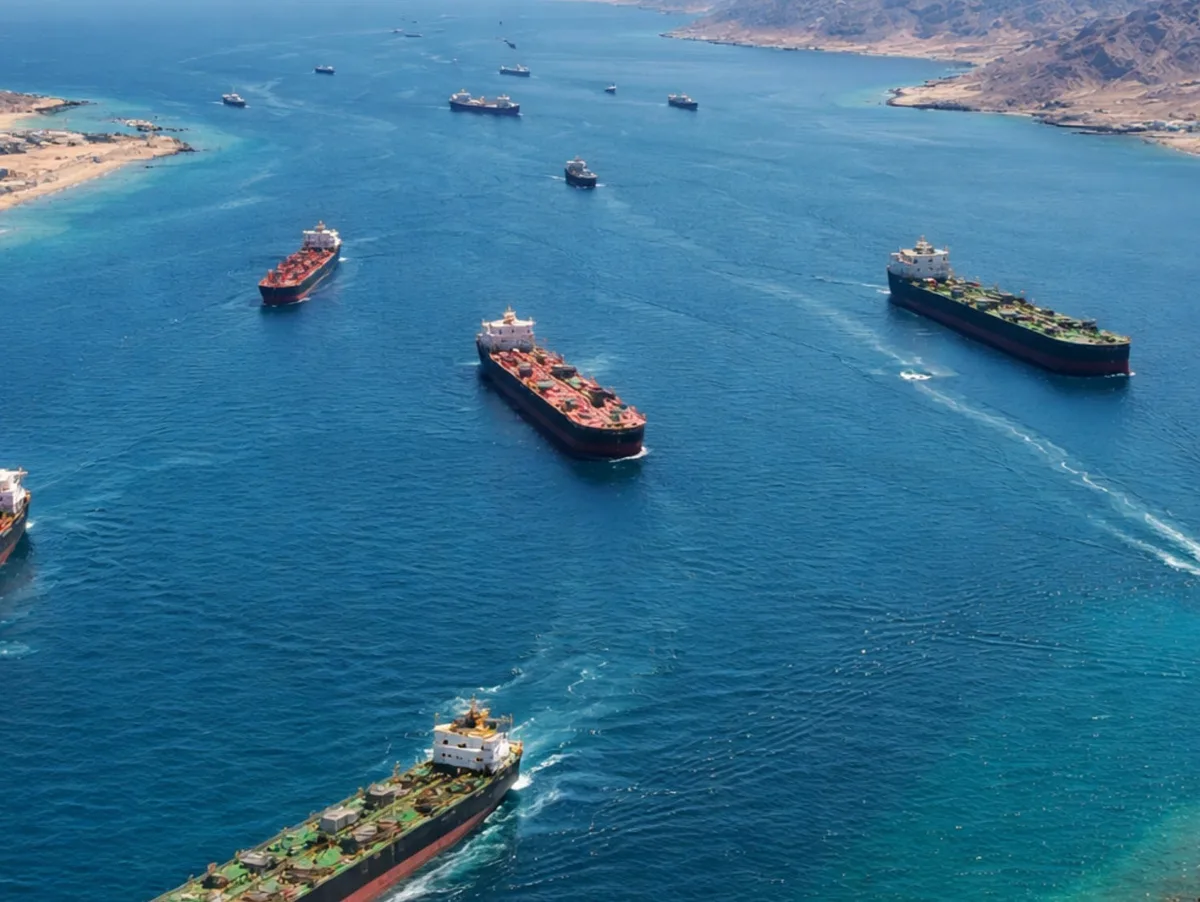
Tehran is deploying control over the Strait of Hormuz as its primary bargaining chip against Washington, halting ship traffic through the critical waterway after US military strikes and signaling it will not yield easily at the negotiating table. The move comes even as President Trump softened earlier remarks that a nuclear deal was "over," with both sides now reportedly leaving room for resumed diplomacy. Markets, however, remain rattled by the ongoing uncertainty surrounding one of the world's most vital oil chokepoints.
Iran's strategy, according to analysts at Forexlive, is a deliberate two-front play: attacking or halting shipping through the strait simultaneously reminds the US of Tehran's leverage while giving Iran a ready-made pretext — US military action — to pause or abandon talks at will. The approach mirrors Iran's broader negotiating pattern of prolonging the status quo and keeping pressure alive rather than seeking a swift resolution.
Read more Dow Jones Top Gainers and Losers Friday Session →
The economic stakes are significant. With global supply chains already strained by restricted passage through the strait, the cyclical opening and closing of the waterway is draining oil market buffers and pushing raw material costs higher. Trump may feel insulated while crude prices remain relatively subdued, but a sharp oil price rebound could threaten the broader US and global economic outlook — precisely the scenario Iran is working to engineer.
Tehran's endgame, the analysis suggests, is to use that economic pressure to wring greater concessions from Washington, specifically deeper sanctions relief and the release of frozen Iranian assets. The longer the Strait of Hormuz remains a geopolitical flashpoint, the more leverage Iran retains over the pace and terms of any eventual agreement. Markets, analysts warn, may be badly underestimating how long this standoff could persist and how sharply reality could reassert itself.
Continue reading at Forexlive.