Iran-US Talks Stall in Doha as Ceasefire Frays at Edges
Both nations send delegations to Qatar but Tehran denies any direct contact, while missile exchanges and oil market jitters signal deepening fragility.
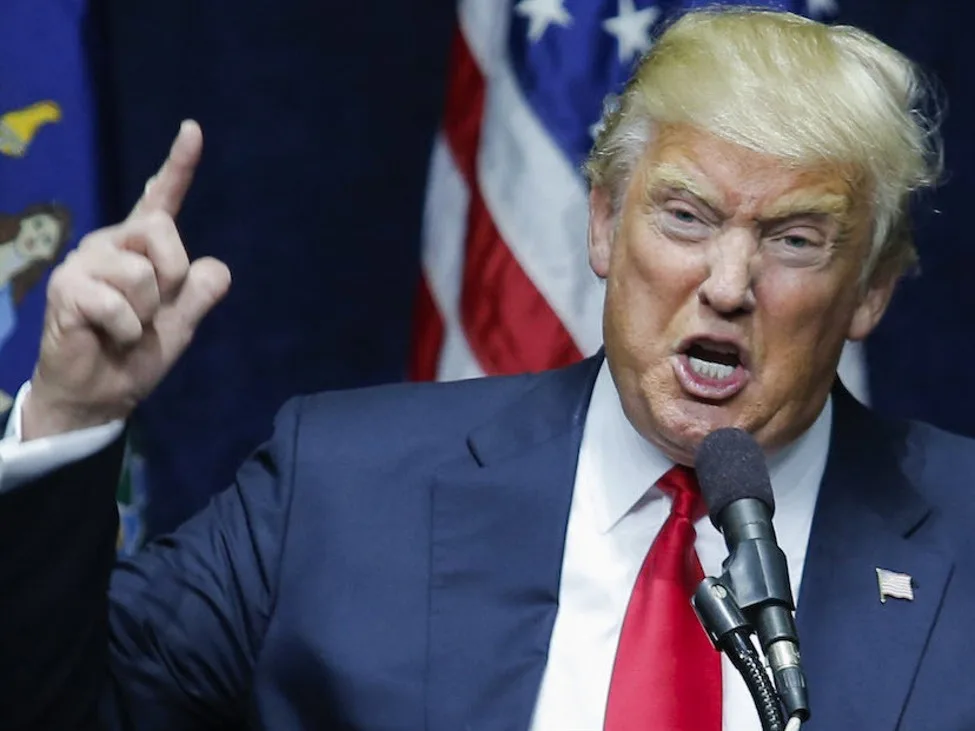
Iranian and American delegations converged on Doha this week under a cloud of mutual suspicion, with Tehran flatly denying any direct negotiations were planned despite both sides arriving in the Qatari capital simultaneously. Iran's foreign ministry stated its technical team's presence had no connection to the American visit, ruling out meetings at any level in the coming days. Washington dispatched Jared Kushner and envoy Steve Witkoff to lead its delegation, underscoring the high stakes attached to the mission.
Iran's President Masoud Pezeshkian took to X to push back against what he called "unreasonable boasting and unfounded threats" from the U.S. side, pledging that Tehran's response would combine rational decision-making with "decisive and fearless defense" when provoked. He also confirmed that six billion dollars in frozen Iranian assets held in Qatar would be released in two tranches under the existing accord, alongside American sanctions waivers on Iranian oil and petrochemicals — a deal he characterized as a meaningful win for Iran.
Read more Japan Hiking Visa Fees Up to 400% in First Increase Since 1970s →
The diplomatic maneuvering comes as the June 17 ceasefire agreement shows serious cracks. Both governments have accused each other of violations, and the weekend saw a sharp escalation: the United States bombed Iranian military facilities while Iran struck American installations in Kuwait and Bahrain. Brent crude climbed nearly one percent Monday as energy markets absorbed the renewed hostilities.
The Strait of Hormuz — historically a conduit for roughly a fifth of global oil trade — remains a central flashpoint. Iran has moved to levy transit fees on vessels and asserted control over approved shipping lanes, drawing sharp objections from Washington. French President Emmanuel Macron announced he was coordinating with Oman on de-escalation efforts and planned to join partners in clearing mines from the waterway. A senior Iranian official indicated limited indirect engagement through Qatari and Pakistani intermediaries remained possible, focused narrowly on Hormuz shipping rather than the broader nuclear and truce questions debated in prior Swiss rounds.
Continue reading at Forexlive.