Iran Raises Hormuz Threat to 'Severe' After Tanker Attacks
Iran attacked tankers using a U.S. Navy route and warned ships to use only Tehran-approved northern passages or face targeting.
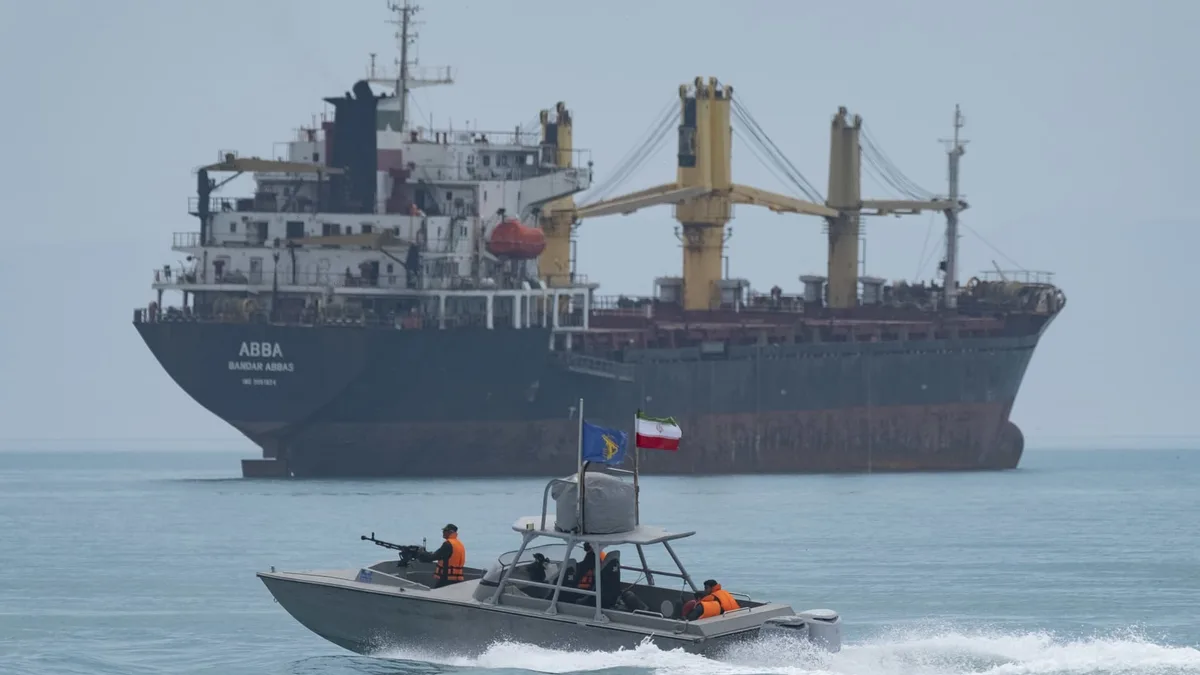
Iran's military escalated tensions in one of the world's most critical shipping corridors Thursday, raising the threat level in the Strait of Hormuz to 'severe' after attacking tankers that were transiting a route used by the U.S. Navy. The strikes mark a sharp intensification of Iranian pressure on international maritime traffic and signal Tehran's willingness to use force to enforce its own designated shipping lanes.
Iranian authorities issued a direct warning to commercial vessels: ships that do not comply with a Tehran-sanctioned northern route through the strait risk being targeted. The ultimatum puts global shipping operators in the difficult position of either defying U.S. naval guidance or running afoul of Iranian military threats — a dilemma with no easy resolution as long as the standoff persists.
Read more FTSE 100 Edges Up as Shell Boosts London Energy Stocks →
The Strait of Hormuz is the world's single most important oil chokepoint, with roughly one-fifth of global petroleum supplies passing through its narrow waters. Any sustained disruption to traffic there carries immediate consequences for energy markets, supply chains, and geopolitical stability across Europe, Asia, and beyond. The latest Iranian actions are likely to push insurance premiums for tankers in the region sharply higher and may prompt shipping companies to reroute vessels at significant added cost.
The escalation comes amid broader regional tensions and raises urgent questions about how Washington will respond to protect freedom of navigation in a waterway its own naval forces regularly use. Military analysts warn that the combination of physical attacks and route mandates represents a more aggressive Iranian posture than previous episodes of harassment in the Gulf region.
Continue reading at CNBC.