How Bessent's Market Moves Threaten the Stock Bull Run
Rising Treasury yields and a strengthening yen could combine to derail the current bull market, analysts warn.
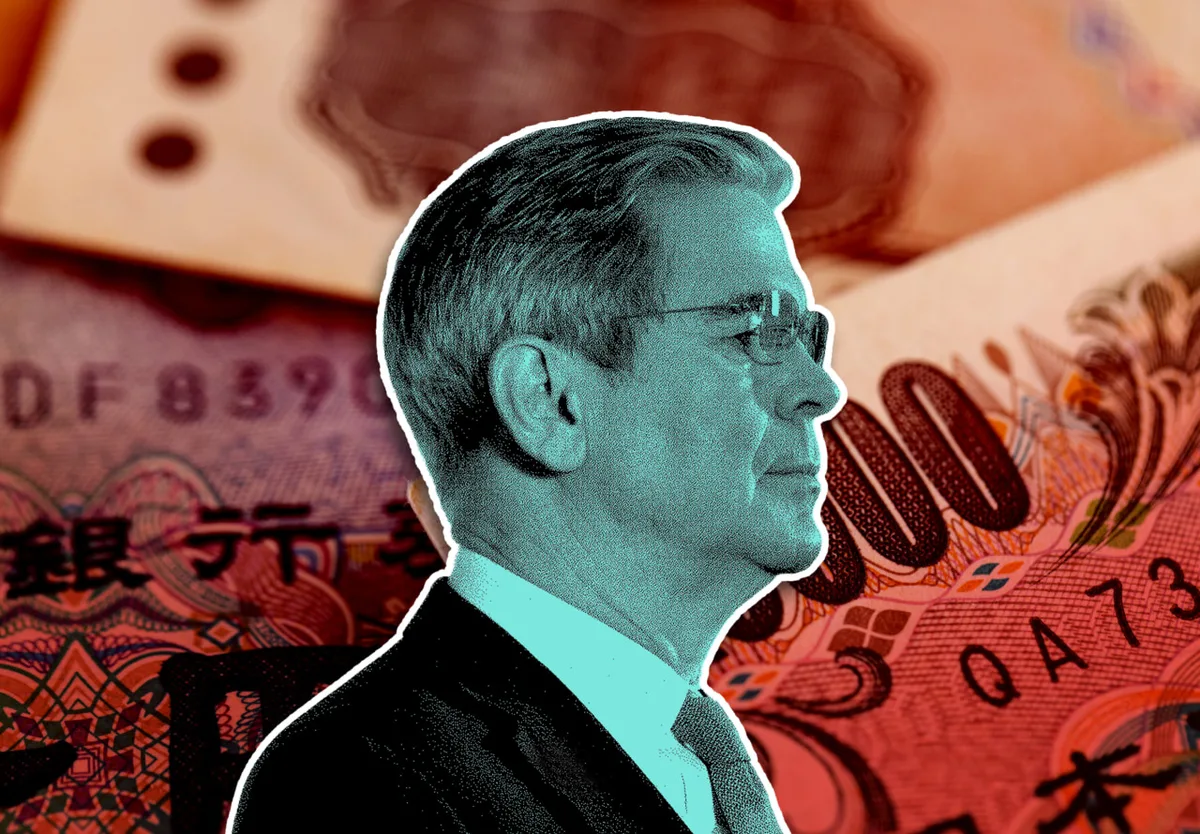
Treasury Secretary Scott Bessent's interventions in currency and bond markets are emerging as the most immediate threat to the ongoing stock market rally, according to a new MarketWatch analysis. The concern centers on two simultaneous pressure points: a strengthening Japanese yen and climbing U.S. Treasury yields, either of which can unsettle equities on their own — but together could prove particularly damaging.
A stronger yen historically forces Japanese investors to unwind so-called carry trades, where cheap yen-denominated borrowing is used to fund purchases of higher-yielding assets, including U.S. stocks and bonds. When the yen rises sharply, those positions get unwound rapidly, draining liquidity from global equity markets and amplifying volatility at the worst possible times.
Read more Tech Stocks Slide as AI Leaders Push for Slowdown Before Fed Meeting →
Rising Treasury yields compound the problem by pushing up the discount rate applied to future corporate earnings, mechanically lowering the present value of stocks — especially high-multiple growth names that have led the bull market. Higher yields also make risk-free government debt more competitive against equities, prompting portfolio rebalancing away from stocks.
What makes Bessent's role central to this debate is the degree to which Treasury policy signals can move both variables simultaneously. Any perception that Washington is actively tolerating or engineering a weaker dollar — or is indifferent to yield levels — could accelerate both the yen's ascent and bond market selloffs, creating a feedback loop that equity bulls would struggle to absorb.
The intersection of currency dynamics and fixed-income pressure represents a sophisticated macro risk that often gets underappreciated during sustained rallies, but history suggests ignoring it carries real consequences for investor portfolios. Continue reading at MarketWatch.com