Germany Drafts 25% Flat Tax to End Crypto Holding Exemption
Berlin's Finance Ministry proposes scrapping the one-year tax-free crypto rule, replacing it with a 25% capital gains levy on assets bought from 2027.
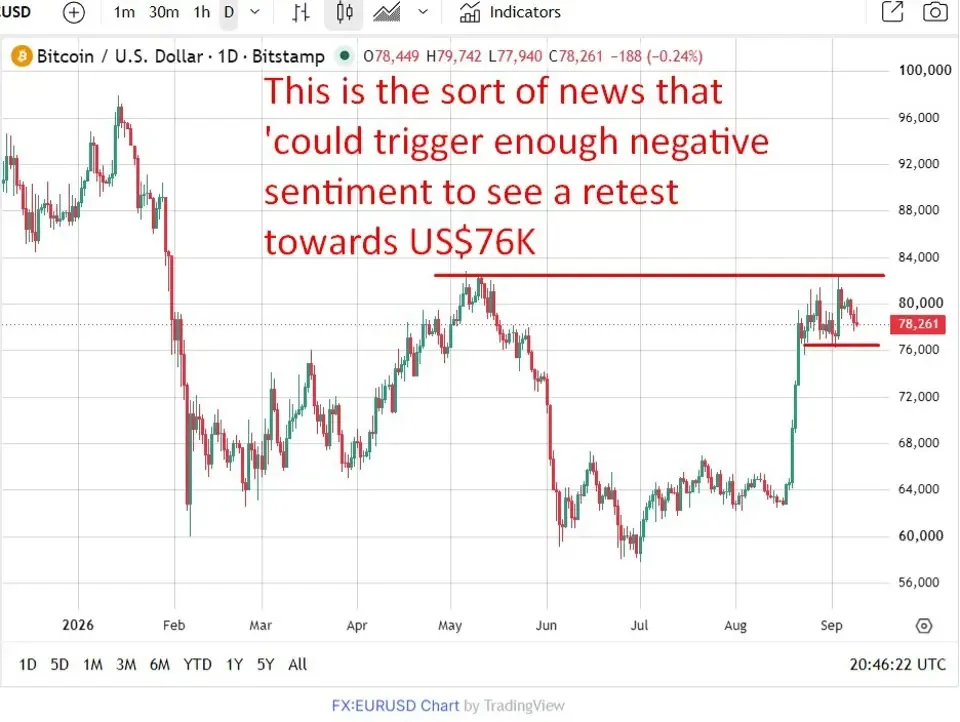
Germany's Federal Ministry of Finance has circulated a draft bill that would eliminate the country's decade-old tax exemption for cryptocurrency held longer than one year, replacing it with a flat 25% capital gains tax. The proposal, reported this week by Welt and Handelsblatt, would apply exclusively to crypto acquired on or after January 1, 2027, leaving earlier holdings protected under the existing rules — a grandfathering provision that gives current long-term holders a potential window to act.
Under current German law, any crypto profit becomes fully tax-free once the asset clears a twelve-month holding period. Sell before that mark and the gain is taxed at the investor's personal income rate, which can reach the mid-40s. That structure has positioned Germany as one of Europe's most attractive jurisdictions for long-term crypto investors. The draft would dismantle that advantage by folding digital assets into the same Abgeltungsteuer framework that already governs dividends and equity gains, producing an effective rate of roughly 26.4% once the solidarity surcharge is added. The existing €1,000 saver's allowance would still apply, and crypto losses could be netted against gains from other asset classes including stocks.
Read more Vietnamese, Indian Prime Ministers Hold Bilateral Talks →
The two key dates in the proposal are distinct and matter enormously. The new tax treatment would attach to crypto purchased from January 1, 2027, but automatic withholding by exchanges would not begin until 2028, giving platforms roughly a year to build the required reporting infrastructure. Finance Minister Lars Klingbeil first signaled the overhaul in late April. The Ministry projects the measure would generate approximately €160 million in 2028, climbing to around €350 million annually by 2031 — a relatively modest fiscal yield that suggests the move is driven more by structural alignment with existing capital income rules than by revenue hunger.
The proposal carries significant political uncertainty. It remains an internal government draft that has not been introduced to the Bundestag or Bundesrat, and a comparable effort by the Green Party was already rejected in the Bundestag's Finance Committee in May. How the new regime would interact with the EU's DAC8 crypto reporting requirements, currently being rolled out across member states, also remains unresolved. For now, the primary market impact is one of sentiment rather than price, though German holders weighing long-term disposal timing may begin reassessing strategy around the 2027 cutoff.
Continue reading at Forexlive.