Ford Rehires 350 Veteran Engineers After AI Fails Quality Control
Ford discovered its AI tools couldn't replace experienced engineers, prompting the automaker to bring back 350 veterans to fix quality issues.
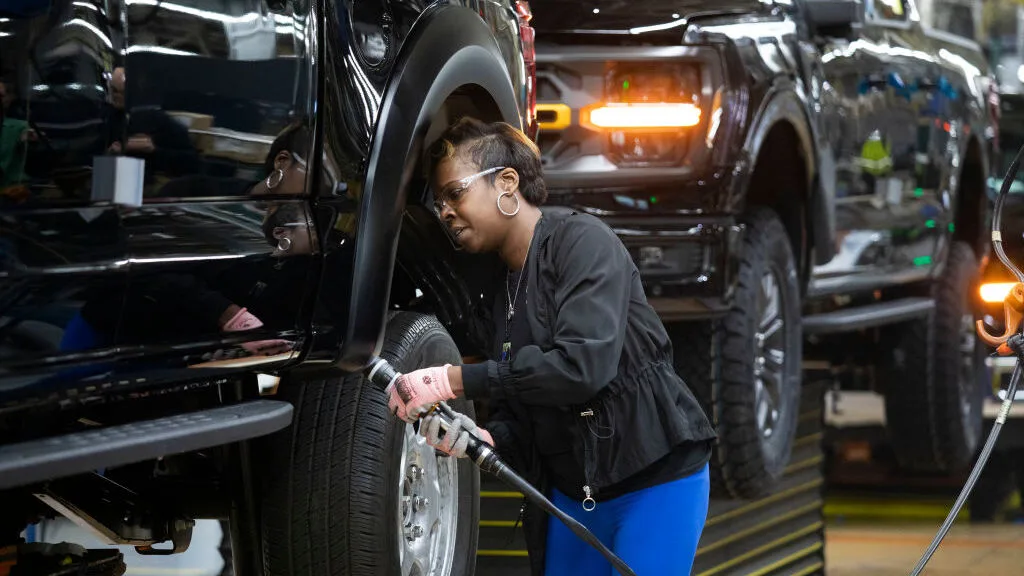
Ford Motor Company reversed course on an automation-first strategy by rehiring 350 veteran engineers after the automaker found that artificial intelligence tools were not capable of replicating the nuanced expertise needed to catch and resolve quality control problems on its vehicles. The move signals a notable admission from one of Detroit's biggest names that, at least for now, seasoned human judgment remains irreplaceable in complex manufacturing environments.
The decision underscores a tension playing out across heavy industry: companies have rushed to deploy AI-driven systems to cut costs and streamline operations, only to discover that certain high-stakes diagnostic and engineering tasks demand the kind of institutional knowledge that comes from years — sometimes decades — on the factory floor. Ford's experience suggests that AI, while powerful in many contexts, still struggles with the unpredictable variability inherent in large-scale vehicle production.
Read more US Auto Market Faces Sharp Contraction by 2040, Forecaster Warns →
For Ford, quality control is not a peripheral concern. The company has faced persistent warranty costs and reliability criticism in recent years, making the stakes of getting this right especially high. By bringing experienced engineers back into the fold, Ford is effectively betting that human oversight, working alongside AI tools rather than being replaced by them, will produce better outcomes for both the assembly line and the customer.
The rehiring push also raises broader questions about the pace at which manufacturers should be replacing skilled workers with automated systems, and whether the short-term cost savings are worth the long-term risks to product quality. Ford's pivot may serve as a cautionary tale — or a template — for competitors navigating the same tradeoffs in an era of rapid AI adoption across the auto industry.
Continue reading at Yahoo Finance.