DuPont's 1-for-3 Reverse Stock Split: What Investors Need to Know
DuPont is executing a 1-for-3 reverse stock split. Here's what the move means for shareholders and share price.
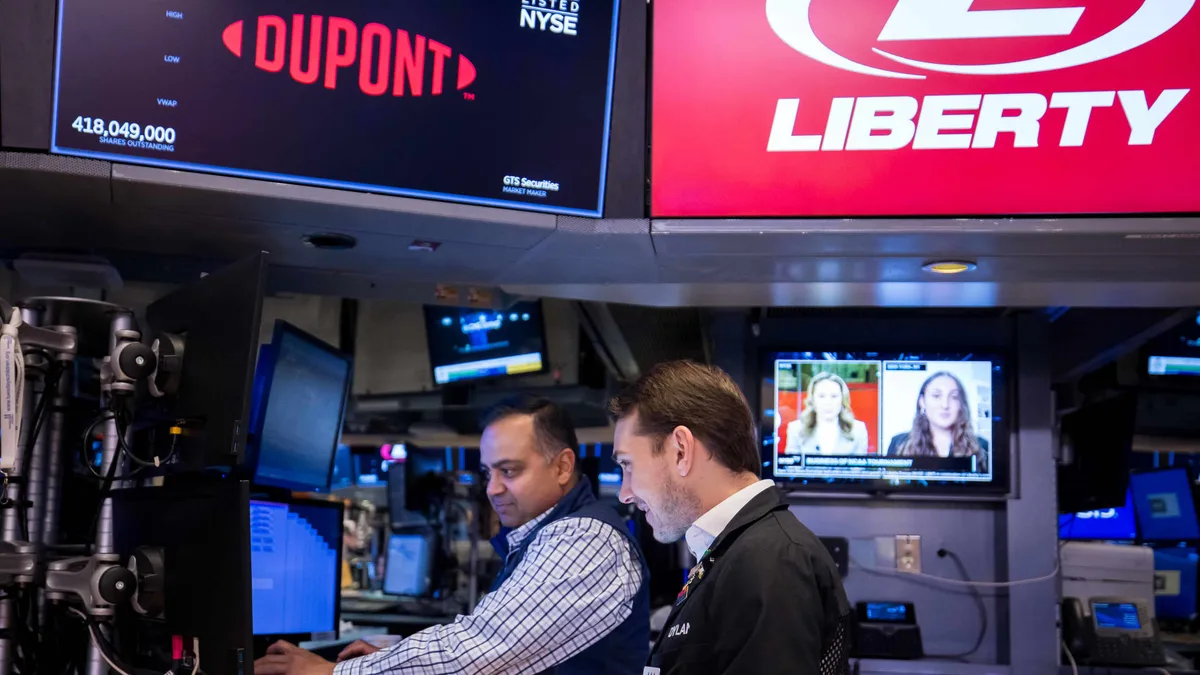
DuPont is moving forward with a 1-for-3 reverse stock split, a corporate action that will consolidate every three shares an investor holds into a single share, effectively tripling the price per share while leaving the overall market value of each position unchanged. The announcement came via CNBC's Investing Club Homestretch, an afternoon briefing designed to give subscribers actionable guidance ahead of the final hour of the trading session.
Reverse stock splits are typically employed by companies seeking to boost their nominal share price, often to meet stock exchange listing requirements, attract institutional investors who may avoid lower-priced shares, or project a stronger public image. In DuPont's case, the 1-for-3 ratio means a shareholder holding 300 shares before the split would hold 100 shares afterward, with the per-share price adjusted proportionally upward.
Read more Intel to Design and Make Chips for Apple: What It Means for INTC →
Critically, a reverse split does not alter a company's underlying fundamentals or total market capitalization on its own. Investors should not interpret the move as a sign of improved financial health, nor should they panic and view it purely as a red flag. The real question for DuPont shareholders is whether the company's business strategy and earnings trajectory justify holding the stock at its new, higher nominal price.
Market participants will be watching closely to see how DuPont shares respond in the sessions following the split's effective date, as post-split trading volumes and institutional sentiment often provide early signals about how the broader investment community views the rationale behind the decision. Retail investors in particular should review their brokerage accounts to confirm share counts and cost-basis figures are updated correctly after the split takes effect.
Continue reading at CNBC.