China's Youth Ditch Luxury for Emotional Spending on Toys and Tech
Young Chinese consumers are abandoning status symbols in favor of purchases that deliver emotional satisfaction, reshaping domestic demand.
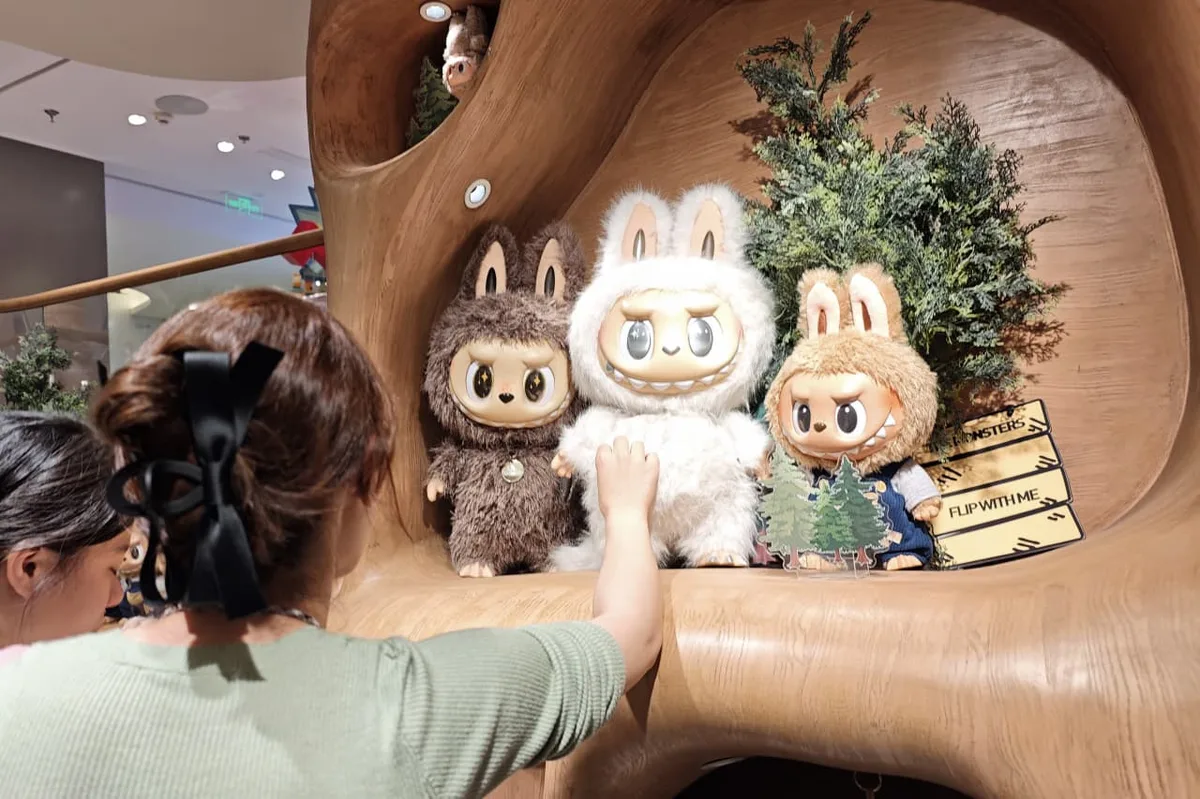
A quiet but significant shift is underway inside China's consumer economy: younger shoppers are turning away from traditional status symbols — designer handbags, flashy cars, premium brands — and redirecting their money toward purchases that generate a genuine emotional response, from collectible toy figures to novelty robotics.
The trend, highlighted by MarketWatch, signals a deeper psychological reorientation among Chinese millennials and Gen Z consumers who came of age amid economic uncertainty. Rather than signaling wealth through conventional luxury goods, this cohort appears to be prioritizing personal meaning and emotional resonance over social display.
Read more Spacecraft Maker to Add 152 High-Paying Jobs in Albuquerque →
Economists and market analysts watching China's domestic consumption story will find the development significant. Beijing has spent years urging its population to spend more and save less as a way to rebalance an economy historically dependent on exports and investment. If emotional spending on niche, lower-cost items — rather than high-ticket luxury or big-ticket durables — becomes the dominant consumption pattern, it could complicate those rebalancing efforts.
The categories attracting this emotional spending are telling. Toy collectibles often described as "elves" and consumer-facing robotic novelties — so-called "robocops" — represent a departure from aspirational consumption. They are experiences and feelings packaged in physical form, reflecting a global trend toward what researchers sometimes call the "experience economy" but expressed through China's particular generational lens.
Whether this shift proves a durable structural change or a cyclical response to a sluggish post-pandemic economy remains an open question. But for brands and investors tracking Chinese consumer behavior, ignoring the emotional spending wave carries real risk. Continue reading at MarketWatch.com.