China's Rental Economy Undermines Beijing's Consumer Spending Push
Young Chinese are renting drones and gear instead of buying. Beijing sees a new obstacle to its consumer stimulus goals.
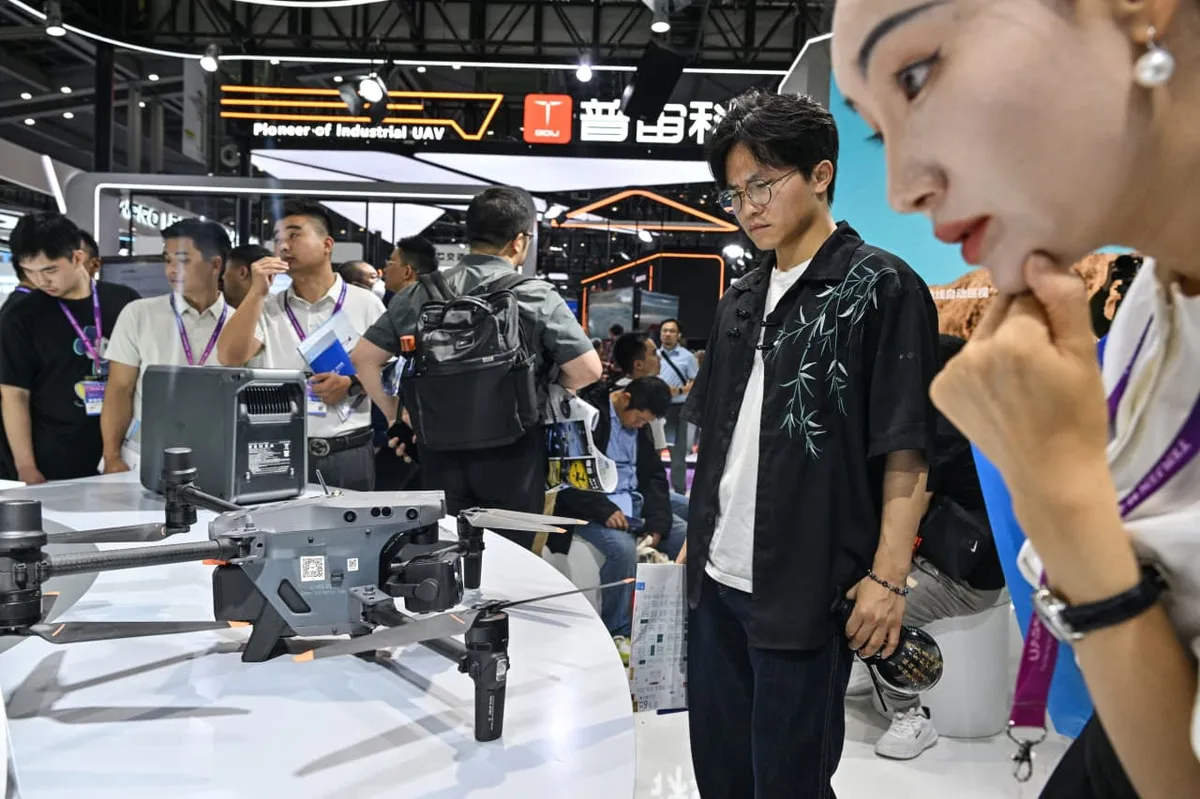
A growing number of young Chinese consumers are choosing to rent cameras, drones, and camping equipment rather than purchase them outright, posing a fresh complication for Chinese authorities who have been struggling to revive domestic consumer spending. The trend reflects a broader shift in how a cash-conscious generation approaches consumption — prioritizing access over ownership to stretch limited budgets.
For Beijing, the timing is awkward. Chinese policymakers have made boosting consumer expenditure a central pillar of their economic strategy, hoping household spending can pick up slack left by a sluggish property market and uneven export demand. A rental-first mindset, however rational for individual households, collectively reduces the retail sales figures the government is counting on.
Read more Japan Exports Rise for Fifth Month Straight on Chip Surge →
The rental model gaining traction among younger Chinese mirrors similar trends seen in Western economies, where app-based platforms made short-term access to expensive goods mainstream. In China's case, the behavior signals something deeper: a cautious consumer class that is adapting to economic uncertainty rather than spending its way through it — precisely the opposite of what stimulus-minded officials want to see.
Analysts could reasonably argue this represents a structural rather than cyclical challenge for Chinese policymakers. When consumers systematically avoid big-ticket purchases by sharing or renting, traditional demand-stimulus tools — such as subsidies or tax breaks on goods — lose some of their potency. The question for Beijing is whether incentives can be redesigned to reach renters or whether the rental trend will quietly erode the effectiveness of consumption-led growth targets.
Continue reading at MarketWatch.com