China's Currency War Strategy Doesn't Require Beating the Dollar
Beijing is reshaping global finance by reducing dollar dependency, not by pushing the yuan to replace it.
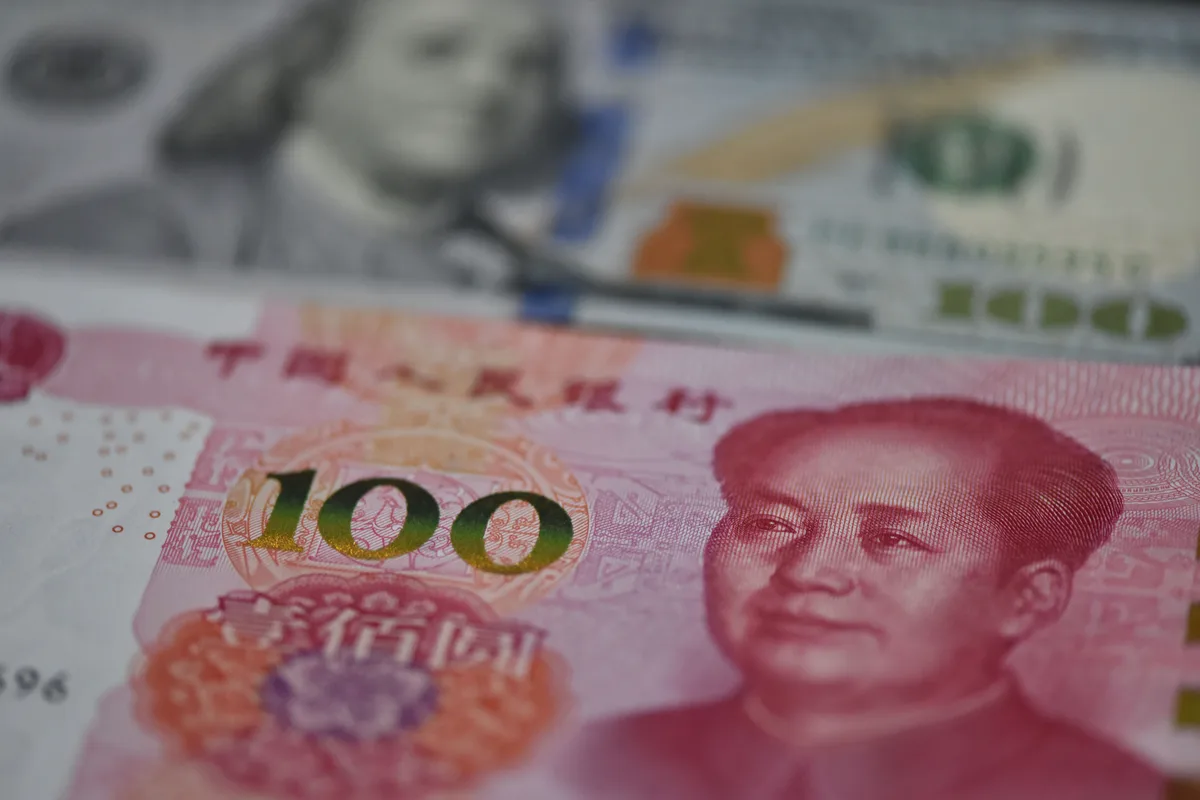
China is waging a calculated campaign against dollar dominance in global trade and finance — and it doesn't need the renminbi to dethrone the greenback to win. Analysts warn that observers fixated on whether Beijing's currency can displace the U.S. dollar are missing the more immediate and effective strategy already underway.
Rather than staging a direct challenge to the dollar's reserve-currency status, China has focused on systematically eroding the infrastructure that makes dollar dependence so pervasive. By expanding bilateral trade agreements settled in yuan, deepening cross-border payment networks, and strengthening financial ties with emerging economies, Beijing is quietly shrinking the dollar's functional footprint in global commerce without needing to replace it outright.
Read more Jobs Report, Home Prices, and Key Economic Data Due This Week →
The distinction matters enormously for how policymakers and markets interpret the threat. A currency war framed solely around "will the yuan replace the dollar" sets an unrealistically high bar for China's success — and a dangerously low bar for what counts as failure for U.S. financial primacy. The real measure is how many transactions, contracts, and reserves are gradually migrating away from the dollar ecosystem, even if they never coalesce around a single alternative.
This asymmetric approach gives China significant strategic advantages. It avoids the near-impossible task of convincing the world to adopt a capital-controlled currency as a global reserve, while still achieving the core goal: reducing Washington's ability to weaponize the dollar through sanctions, payment system exclusions, and financial coercion. Every percentage point of global trade settled outside the dollar narrows that leverage.
The broader implication for U.S. policymakers is that defending dollar dominance requires more than monitoring yuan internationalization. It demands attention to the expanding web of alternative settlement rails, swap lines, and multilateral financial institutions Beijing is building around the existing system. Continue reading at US Top News and Analysis.