Bitcoin Lending Moves Into a New Institutional Era
Silicon Valley Bank signals a major shift as institutional players embrace Bitcoin lending, reshaping crypto finance.
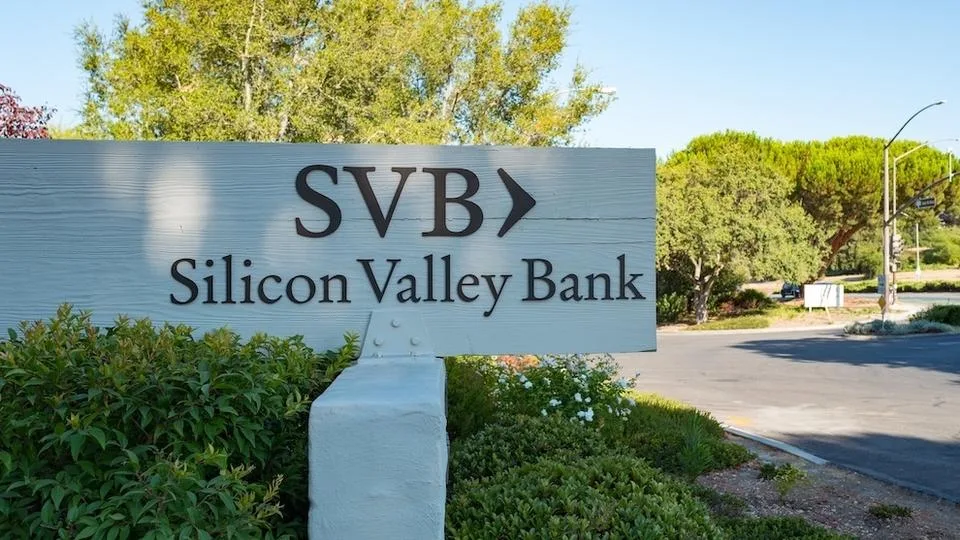
Bitcoin lending is undergoing a fundamental transformation as institutional capital enters the space in force, according to analysis tied to Silicon Valley Bank, marking what observers are calling a new era for crypto-backed finance. The shift signals growing confidence among traditional financial players in digital asset infrastructure that was once considered too volatile or opaque for serious institutional deployment.
The move toward institutional Bitcoin lending reflects broader trends in crypto markets, where regulated custody solutions, clearer compliance frameworks, and improved risk management tools have lowered the barriers for banks, asset managers, and corporate treasuries to participate. What was once the domain of retail-focused platforms and offshore lenders is increasingly attracting the kind of slow-moving, due-diligence-heavy capital that defines Wall Street.
Read more Goldman Sachs Predicts AI Spending Will Drive Q2 Earnings Growth →
The significance of institutional involvement cannot be understated. When major financial institutions back a lending mechanism tied to a volatile asset like Bitcoin, it lends credibility to the entire ecosystem and can attract further regulatory clarity — a feedback loop that proponents argue accelerates mainstream adoption. Critics, however, caution that the same systemic risks that toppled crypto lenders like Celsius and BlockFi during the 2022 bear market have not been fully addressed by new entrants.
For borrowers, institutional-grade Bitcoin lending could mean more competitive rates, greater liquidity, and longer-term loan structures than the retail market historically offered. For lenders, Bitcoin collateral represents a high-volatility asset that demands sophisticated margin management and real-time risk monitoring — capabilities that institutional players are better positioned to deploy than their retail predecessors.
The entrance of established financial names into Bitcoin lending may also pressure regulators to accelerate guidance on crypto collateral standards, custody requirements, and capital treatment — policy questions that remain unresolved in Washington. Continue reading at CoinDesk.