BIP-110 Fork Warning: Bitcoin Holders Risk Losing Real BTC
A developer warns Bitcoin holders that selling coins from a BIP-110 fork could result in losing genuine BTC holdings.
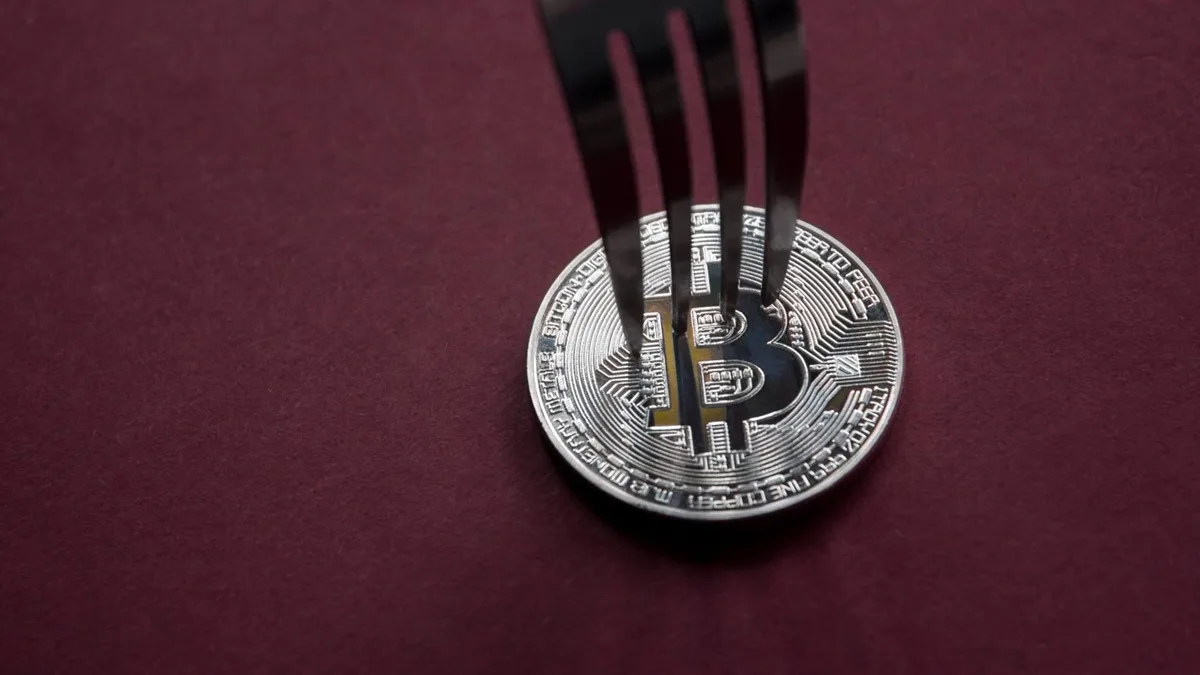
A Bitcoin developer has issued a stark caution to coin holders: selling or transacting with tokens generated by the BIP-110 fork carries the real risk of surrendering legitimate Bitcoin holdings in the process. The warning, surfaced by CoinDesk, underscores growing concern within the Bitcoin developer community about how users interact with forked assets that can be confused with — or inadvertently traded against — genuine BTC.
Fork events have long posed replay-attack risks, where a transaction broadcast on one chain is simultaneously valid on another, potentially draining funds from both. The BIP-110 scenario appears to raise a similar class of danger, where holders who attempt to liquidate forked coins without proper chain-splitting precautions could find their real Bitcoin swept along with them in an unintended transaction.
Read more Berkshire Hathaway Makes Alphabet a Top Three Holding in Q2 →
The developer's alert serves as a reminder that not all Bitcoin forks are created equal, and that technical safeguards — such as replay protection — are not always built into experimental or minority forks. Users who lack the technical knowledge to isolate forked coins from their main wallet risk compounding a simple sell decision into a costly error that cannot be reversed on the blockchain.
For everyday Bitcoin holders, the practical takeaway is to exercise extreme caution before interacting with any forked coin, particularly those lacking clear replay protection. Consulting trusted technical resources or waiting for wallet software to explicitly support safe fork-coin separation is strongly advised before making any move with BIP-110 tokens.
Continue reading at CoinDesk.