Apple Stock Drops Sharply After Mac and iPad Price Hikes
Apple shares suffered their worst session in over a year after the company raised prices on Macs and iPads to offset higher memory costs.
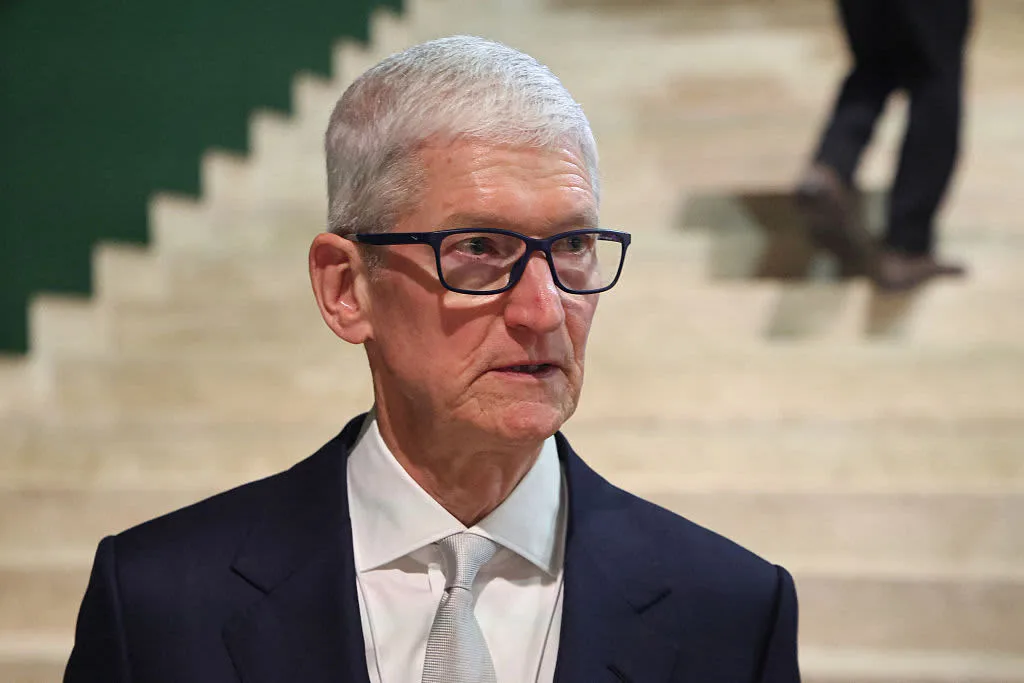
Apple stock took its steepest single-session dive in more than a year after the company officially announced price increases on its Mac computers and iPad lineup, signaling a strategic decision to pass rising memory costs directly to consumers rather than absorb them internally. The move rattled investors who had grown accustomed to Apple's ability to shield its margins without triggering sticker shock among buyers.
The price hikes mark management's first formal acknowledgment that surging memory costs have become too significant to absorb quietly. By pushing those expenses onto consumers, Apple is betting that the loyalty and perceived premium value of its ecosystem will hold demand steady even as competitors keep prices flat or offer discounts.
Read more Micron Earnings Surge While Apple Drops, Leaving Markets Flat →
Analysts watching the selloff noted that while the short-term market reaction was severe, Apple's broader financial architecture — including its massive services revenue stream and deeply entrenched customer base — gives it more resilience than most hardware companies facing similar cost pressures. The company has navigated supply-chain disruptions and component-cost spikes before, typically emerging with margins intact.
The key question now is whether consumers will balk at the new price points or continue upgrading on their usual cycles. Premium brand positioning has historically insulated Apple from the kind of volume drop that might cripple a thinner-margin rival, and that dynamic has not fundamentally changed even if Wall Street's immediate verdict was punishing.
Continue reading at US Top News and Analysis.