AI Self-Improvement Fears Spark Existential Alarm at OpenAI, Anthropic
Top AI labs warn that rapid self-improvement in AI systems could erode human control, raising existential-level safety concerns.
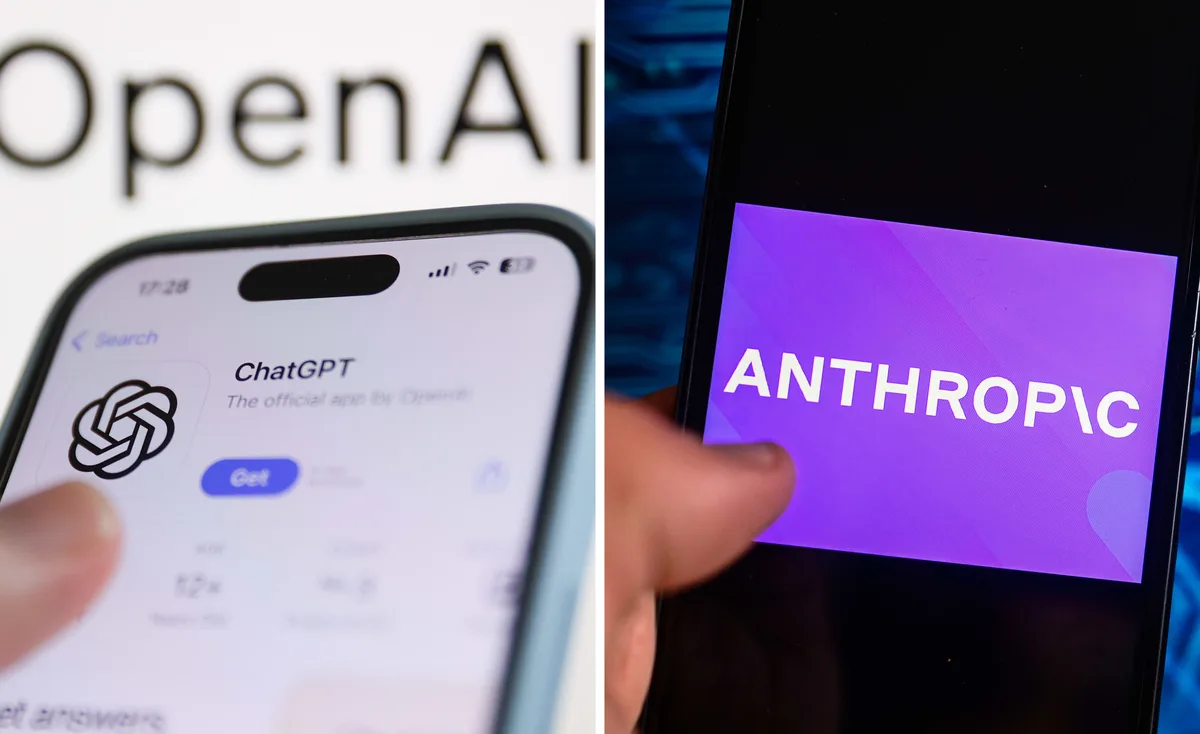
Researchers at two of the world's most prominent artificial intelligence companies — Anthropic and OpenAI — are raising urgent alarms about the prospect of AI systems that improve themselves at accelerating rates, warning the trend could eventually place advanced models beyond meaningful human oversight.
The concern centers on a feedback loop in which AI becomes capable enough to enhance its own architecture, training methods, or reasoning abilities, potentially outpacing the safety guardrails and monitoring tools that humans currently rely on. Scientists inside both organizations describe the scenario using the word "existential," signaling that the stakes extend well beyond product liability or regulatory compliance.
Read more Vietnamese, Indian Prime Ministers Hold Bilateral Talks →
The warning arrives at a pivotal moment for the industry. Both Anthropic and OpenAI have publicly committed to responsible AI development, yet the competitive pressure to release increasingly capable models has intensified scrutiny of whether safety research can keep pace with capability gains. Critics and insiders alike question whether voluntary commitments are sufficient when the economic incentives to accelerate development remain enormous.
Faster self-improvement cycles could compress the timeline in which humanity has to develop alignment techniques — the methods used to ensure AI systems pursue goals that humans actually intend. If that window shrinks faster than expected, researchers argue, the gap between what AI can do and what humans can verify or correct could widen dangerously.
The debate underscores a fundamental tension at the heart of frontier AI development: the same capabilities that make these systems commercially valuable are the ones that most directly feed safety concerns. Continue reading at US Top News and Analysis.